Anonymous Auction Bid: The Ultimate Guide to Private Bidding in Crypto Mixers
Anonymous Auction Bid: The Ultimate Guide to Private Bidding in Crypto Mixers
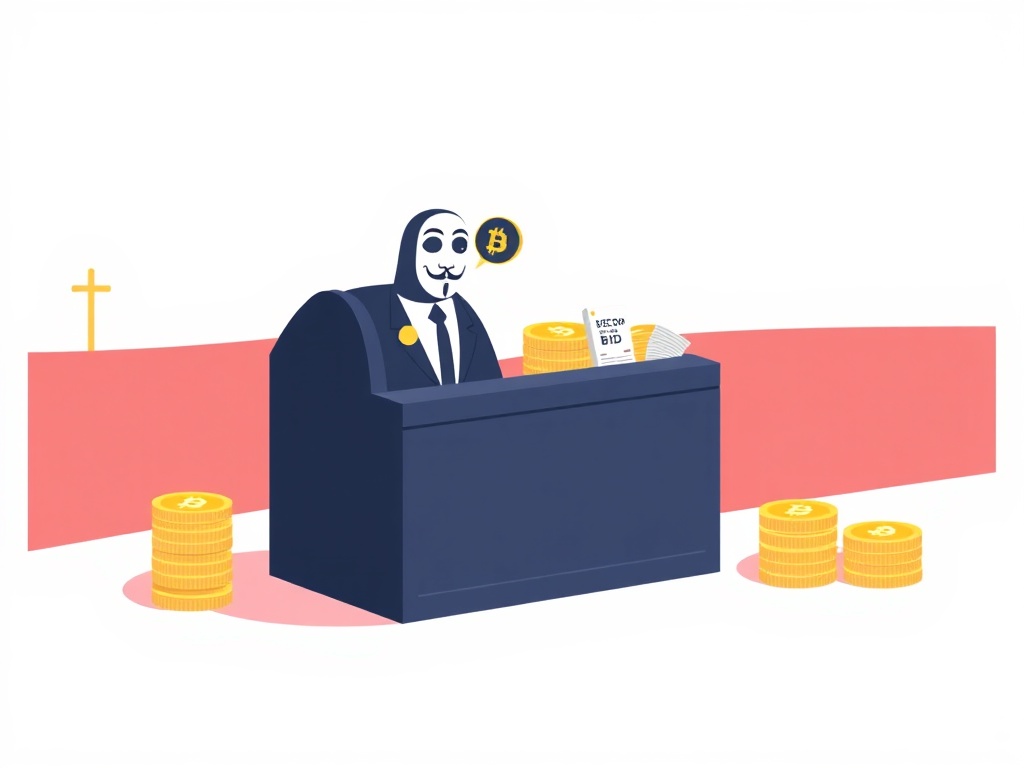
In the fast-evolving world of cryptocurrency, privacy remains a top priority for many users. One of the most innovative solutions to maintain anonymity while participating in auctions is the anonymous auction bid. This method allows users to place bids without revealing their identity, ensuring that sensitive financial transactions remain confidential. Whether you're a seasoned crypto investor or a newcomer exploring privacy-focused tools, understanding how anonymous auction bids work can significantly enhance your trading strategy.
This comprehensive guide will explore the concept of anonymous auction bids, their benefits, how they function within crypto mixers like BTCmixer, and best practices for secure participation. By the end of this article, you'll have a clear understanding of how to leverage this technology to protect your financial privacy.
What Is an Anonymous Auction Bid?
Definition and Core Concept
An anonymous auction bid refers to a bidding process where participants submit offers without disclosing their identity or transaction details. Unlike traditional auctions where bids are publicly visible, this method ensures that only the auctioneer (or smart contract) knows the highest bidder, while all other participants remain anonymous. This is particularly useful in decentralized finance (DeFi) and cryptocurrency trading, where privacy is paramount.
In the context of crypto mixers like BTCmixer, an anonymous auction bid can be integrated into auction-based systems where users compete to acquire assets, services, or even liquidity pool positions without revealing their wallet addresses or transaction history. The process leverages cryptographic techniques such as zero-knowledge proofs (ZKPs) or ring signatures to obscure bidder identities.
How It Differs from Traditional Bidding
Traditional auctions, whether online or in-person, typically require bidders to reveal their identities to the auctioneer. This can expose participants to risks such as:
- Targeted attacks: Malicious actors may attempt to manipulate or extort high bidders.
- Privacy leaks: Public bid histories can link wallets to real-world identities.
- Competitive disadvantages: Rivals may gain insights into bidding strategies.
In contrast, an anonymous auction bid eliminates these risks by ensuring that:
- Bid amounts are hidden until the auction concludes.
- Bidder identities are never exposed, even to the auctioneer.
- Transactions are obfuscated using crypto mixer techniques.
Use Cases in the Crypto Space
The concept of anonymous auction bids is gaining traction in several areas within the cryptocurrency ecosystem:
- DeFi liquidity auctions: Users bid for liquidity pool tokens without revealing their wallet addresses.
- NFT sales: High-value NFT auctions can prevent front-running and bid sniping by keeping bids private.
- Token sales and ICOs: Projects can conduct private token sales where only qualified participants can bid without exposing their holdings.
- Miner extractable value (MEV) protection: Traders can participate in auctions for block space without revealing their strategies.
Platforms like BTCmixer are pioneering these privacy-preserving auction mechanisms, making them accessible to everyday crypto users.
How Anonymous Auction Bids Work in Crypto Mixers
Integration with Crypto Mixers
Crypto mixers, such as BTCmixer, are designed to enhance transaction privacy by breaking the on-chain link between sender and receiver. When combined with auction systems, they enable anonymous auction bids through the following steps:
- Bid Submission: A user submits a bid by sending cryptocurrency to a designated mixer address. The transaction is mixed with others, obscuring the origin.
- Commitment Scheme: The user commits to a bid amount using a cryptographic hash, ensuring the actual bid is hidden until the auction ends.
- Auction Execution: The smart contract or auctioneer reveals the highest valid bid after the auction period, without disclosing the bidder's identity.
- Payout: The winner receives the auctioned asset, and the mixer ensures the transaction is untraceable.
Technical Mechanisms Behind Privacy
Several cryptographic techniques enable anonymous auction bids in crypto mixers:
Zero-Knowledge Proofs (ZKPs)
ZKPs allow a bidder to prove they have sufficient funds to place a bid without revealing the exact amount or their identity. For example, a user can demonstrate that their bid is within a valid range (e.g., between 0.1 BTC and 1 BTC) without specifying the exact value. This is particularly useful in sealed-bid auctions where the highest bid wins but remains private until the end.
Ring Signatures
Ring signatures enable a user to sign a transaction on behalf of a group, making it impossible to determine which member of the group authorized the bid. This is commonly used in privacy coins like Monero and can be adapted for anonymous auction bids in mixers.
Stealth Addresses
Stealth addresses generate unique, one-time addresses for each transaction, preventing observers from linking bids to a specific wallet. This ensures that even if a bid is revealed, the bidder's identity remains protected.
Step-by-Step Process in BTCmixer
Here’s how a typical anonymous auction bid might work in BTCmixer:
- Access the Platform: Users visit the BTCmixer website or connect their wallet to the mixer’s interface.
- Select Auction Type: Choose between a sealed-bid auction or a dynamic (English-style) auction with private bids.
- Deposit Funds: Send cryptocurrency to the mixer’s deposit address. The transaction is mixed with others to obscure the source.
- Submit Bid: Use a commitment scheme to lock in your bid amount. For example, you might hash your bid (e.g., SHA-256("my_bid_0.5_BTC")) and submit the hash to the auction contract.
- Wait for Auction End: The auction runs for a predetermined period (e.g., 24 hours). During this time, no bids are revealed.
- Reveal Phase: After the auction ends, bidders submit the original bid amounts (not the hashes) to prove their commitment. The smart contract verifies the bids and determines the winner.
- Payout: The winner receives the auctioned asset, and the mixer ensures the transaction is untraceable by mixing the payout with other transactions.
Security Considerations
While anonymous auction bids offer enhanced privacy, they also introduce unique security challenges:
- Front-Running: Malicious actors may attempt to outbid legitimate participants by monitoring pending transactions. Mixers mitigate this by delaying transaction processing.
- Sybil Attacks: Attackers may create multiple fake identities to manipulate auction outcomes. Proof-of-personhood mechanisms (e.g., CAPTCHAs or token staking) can help prevent this.
- Smart Contract Risks: Bugs in auction contracts can lead to fund loss. Always use audited platforms like BTCmixer with a proven track record.
- Regulatory Scrutiny: While privacy is a priority, some jurisdictions may impose restrictions on anonymous bidding. Users should stay informed about local regulations.
Benefits of Using Anonymous Auction Bids in Crypto
Enhanced Privacy and Security
The primary advantage of an anonymous auction bid is the preservation of financial privacy. In a world where blockchain transactions are publicly auditable, keeping your bidding activity hidden prevents:
- Wallet Linking: Prevents adversaries from associating your bids with your wallet address.
- Transaction Analysis: Stops blockchain forensics firms from tracking your bidding patterns.
- Identity Theft: Reduces the risk of exposing personal information tied to your crypto holdings.
For high-net-worth individuals or institutional traders, this level of privacy is invaluable in preventing targeted attacks or competitive espionage.
Protection Against Market Manipulation
Public auctions are vulnerable to manipulation tactics such as:
- Bid Sniping: Competitors place last-minute bids to outmaneuver others.
- Price Discovery Leaks: Observers can infer bidding strategies from transaction patterns.
- Wash Trading: Fake bids inflate auction prices artificially.
An anonymous auction bid neutralizes these risks by ensuring that:
- Bids are only revealed at the auction’s conclusion.
- No observer can infer bidding behavior from on-chain data.
- Only valid, committed bids are considered.
Access to Exclusive Opportunities
Many high-value auctions (e.g., NFT drops, token sales, or liquidity mining programs) restrict participation to verified users. However, traditional verification processes often require KYC (Know Your Customer) disclosures, which compromise privacy. Anonymous auction bids allow users to:
- Participate in private sales without revealing their identity.
- Qualify for auctions based on on-chain activity (e.g., holding a certain NFT) without linking their wallet to personal data.
- Access early-stage investment opportunities in DeFi protocols without exposing their portfolio.
Cost Efficiency and Lower Fees
Traditional auction platforms often charge high fees for identity verification, escrow services, and transaction processing. Crypto mixers like BTCmixer reduce these costs by:
- Eliminating the need for third-party intermediaries.
- Batching transactions to minimize on-chain fees.
- Using gas-efficient smart contracts for auction execution.
For frequent bidders, this can result in significant savings over time.
Decentralization and Censorship Resistance
Centralized auction platforms can censor participants or alter auction rules arbitrarily. In contrast, anonymous auction bids in crypto mixers operate on decentralized networks, ensuring:
- No single point of failure: The auction continues even if the mixer’s servers go offline.
- Immutable rules: Auction parameters (e.g., duration, bid increments) are enforced by smart contracts.
- Permissionless participation: Anyone with crypto can join without approval from a central authority.
How to Participate in an Anonymous Auction Bid on BTCmixer
Step 1: Choose the Right Auction
Before participating, research available auctions on BTCmixer or other privacy-focused platforms. Look for:
- Auction Type: Sealed-bid (private) or dynamic (English-style with private bids).
- Asset Type: NFTs, tokens, liquidity pool positions, or other crypto assets.
- Auction Duration: Ensure the timeline aligns with your schedule.
- Minimum Bid Requirements: Verify that you meet the minimum deposit or bid threshold.
Step 2: Set Up Your Wallet
To participate in an anonymous auction bid, you’ll need a non-custodial wallet that supports the cryptocurrency being auctioned (e.g., Bitcoin, Ethereum, or a privacy coin like Monero). Popular options include:
- Bitcoin: Ledger, Trezor, or Electrum.
- Ethereum: MetaMask, Trust Wallet, or Argent.
- Monero: Monero GUI, Cake Wallet, or MyMonero.
Important: Avoid using exchange wallets (e.g., Coinbase, Binance) for auctions, as they may impose withdrawal limits or KYC requirements.
Step 3: Fund Your Wallet with Privacy Coins
To maximize anonymity, use privacy-focused cryptocurrencies like:
- Monero (XMR): Fully private transactions with ring signatures and stealth addresses.
- Zcash (ZEC): Optional privacy using zk-SNARKs.
- Dash (DASH): PrivateSend feature for obfuscating transactions.
If the auction accepts Bitcoin or Ethereum, use BTCmixer to anonymize your funds before bidding. This involves:
- Sending your crypto to the mixer’s deposit address.
- Waiting for the mixing process to complete (typically 1-6 confirmations).
- Withdrawing the mixed funds to a new wallet address to break transaction links.
Step 4: Submit Your Anonymous Auction Bid
Once your funds are private, follow these steps to place your anonymous auction bid:
- Connect to BTCmixer: Visit the platform’s website and connect your wallet (or use a direct deposit address).
- Select the Auction: Choose the auction you wish to participate in from the list.
- Enter Bid Amount: Input the amount you’re willing to bid (ensure you have enough funds after accounting for mixer fees).
- Generate Commitment: Use the platform’s commitment tool to hash your bid. For example, you might enter a passphrase like "my_secret_bid_1_BTC" and generate a SHA-256 hash.
- Submit the Hash: Send the hashed commitment to the auction smart contract or platform interface.
- Wait for Auction End: Do not reveal your bid until the auction concludes. Monitor the platform for updates.
Step 5: Reveal and Claim Your Bid
After the auction ends, the reveal phase begins. Here’s how to finalize your anonymous auction bid:
- Check Auction Results: Visit the auction page to see if your bid was the highest.
- Reveal Your Bid: If you’re the winner, submit the original bid amount (not the hash) to prove your commitment. This is typically done through the platform’s interface.
- Verify Winning Bid: The smart contract will compare all revealed bids and confirm the highest valid bidder.
- Receive Payout: If you win, the auctioned asset will be sent to your wallet. Use BTCmixer again to anonymize the payout if desired.
- Non-Winners: If you didn’t win, your committed funds will be returned to your wallet after the reveal phase (minus any platform fees).
Step 6: Post-Auction Privacy Measures
Even after winning an anonymous auction bid, take additional steps to maintain privacy:
- Use a New Wallet: Avoid reusing the same wallet for future bids to prevent linkability.
- Enable CoinJoin: If using Bitcoin, run another round of mixing to further obscure transaction trails.
- Monitor for Dusting Attacks: Some attackers send tiny amounts of crypto to wallets to deanonymize them. Ignore or sweep dust transactions.
- Check for Leaks: Use blockchain explorers like Blockstream or Monero Observer to ensure no transaction links are exposed.
Common Challenges and Solutions for Anonymous Auction Bids
Challenge 1: High Transaction Fees
On-chain auctions, especially on Ethereum, can incur high

As a DeFi and Web3 analyst with years of experience dissecting on-chain mechanisms, I’ve observed that anonymous auction bids represent a fascinating yet underappreciated evolution in decentralized governance and asset allocation. These mechanisms, often implemented through privacy-preserving smart contracts or zero-knowledge proofs, allow participants to submit bids without revealing their identity or financial history—critical in environments where front-running or collusion could distort outcomes. For protocols leveraging governance tokens or liquidity incentives, anonymous bidding can mitigate Sybil attacks and reduce the influence of whales who might otherwise dominate auctions through transparent, high-stakes bids. However, the trade-off between privacy and accountability remains a challenge; without verifiable identities, how do we ensure bids are legitimate and not part of a coordinated manipulation scheme?
From a practical standpoint, anonymous auction bids are most effective in specialized use cases, such as the distribution of new tokens, the allocation of scarce liquidity rewards, or even the sale of NFTs tied to governance rights. For example, a DeFi protocol might use a anonymous auction bid system to distribute its governance token fairly among smaller stakeholders, preventing early adopters or VC backers from hoarding influence. Yet, the implementation must be carefully designed—smart contracts should enforce bid validity through cryptographic proofs (e.g., zk-SNARKs) while still allowing for post-auction audits to prevent abuse. Protocols like Aztec or zk.money are pioneering these solutions, but widespread adoption hinges on balancing privacy with the need for transparent, tamper-proof outcomes. For Web3 analysts and developers, the key takeaway is this: anonymous bidding isn’t just about hiding bids—it’s about redefining fairness in decentralized systems.