Cash by Mail: Secure and Convenient Ways to Send and Receive Cash Payments
Cash by Mail: Secure and Convenient Ways to Send and Receive Cash Payments
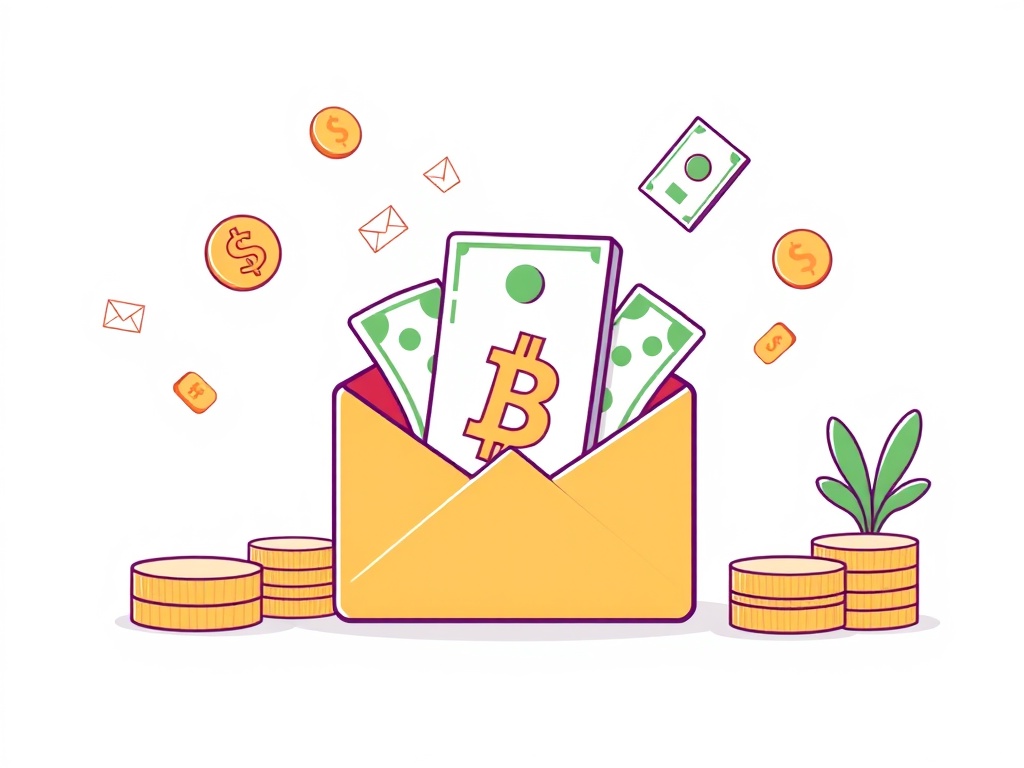
In an increasingly digital world, the need for secure and reliable cash transactions remains vital. Whether you're sending money to family, paying bills, or conducting business, cash by mail offers a straightforward and trusted method to transfer funds without relying solely on electronic systems. This guide explores the benefits, risks, and best practices for using cash by mail safely and effectively.
Sending cash through the postal system has been a trusted method for decades, providing a tangible alternative to digital transfers. While online payment platforms and mobile apps dominate the financial landscape, cash by mail remains a practical solution for those who prefer physical currency or lack access to digital banking. Understanding how to use this method securely can help you avoid common pitfalls and ensure your transactions are completed smoothly.
---Why Choose Cash by Mail Over Digital Payment Methods?
While digital payment methods like PayPal, Venmo, and bank transfers are convenient, they may not always be accessible or preferred. Here are several reasons why cash by mail might be the right choice for your financial needs:
- No Bank Account Required: Unlike digital transfers, cash by mail does not require a bank account, making it ideal for unbanked individuals or those who prefer anonymity.
- Universal Acceptance: Cash is universally accepted, whereas digital payments may be restricted by platform limitations or geographic barriers.
- No Transaction Fees: Many digital payment services charge fees for transfers, while sending cash by mail typically incurs only the cost of postage.
- Immediate Availability: Once the recipient receives the envelope, they have immediate access to the funds without waiting for bank processing times.
- Privacy and Security: For those concerned about digital tracking or data breaches, cash by mail provides a level of privacy that electronic methods cannot match.
However, it's essential to weigh these advantages against the potential risks, which we'll discuss in the following sections.
---How to Send Cash by Mail Safely and Securely
Sending cash through the mail requires careful planning to minimize risks such as loss, theft, or damage. Follow these steps to ensure your cash by mail transaction is as secure as possible:
Step 1: Choose the Right Packaging
Selecting the appropriate packaging is crucial to protect your cash during transit. Consider the following options:
- Padded Envelopes: Use thick, padded envelopes to cushion the cash and prevent bending or tearing.
- Sealed Plastic Bags: Place the cash in a sealed plastic bag before inserting it into the envelope to protect it from moisture.
- Tamper-Evident Seals: Use envelopes with tamper-evident seals to deter unauthorized access.
- Registered Mail: For high-value transactions, opt for registered mail, which provides tracking and insurance.
Step 2: Insure Your Cash
While insurance does not guarantee recovery of lost funds, it provides financial protection in case of damage or loss. Most postal services offer insurance options for an additional fee. For example:
- USPS Insurance: Covers up to $5,000 for lost or damaged mail (fees vary based on value).
- FedEx Insurance: Offers coverage up to $100 for free; additional coverage is available for a fee.
- UPS Insurance: Provides coverage up to $100 for free; higher values require additional insurance.
Always declare the full value of the cash when purchasing insurance to ensure adequate coverage.
Step 3: Use a Tracking Service
Tracking services allow you to monitor the progress of your envelope and confirm its delivery. This is especially important for high-value transactions. Consider the following tracking options:
- USPS Tracking: Available for most mail classes, including Priority Mail and First-Class Mail.
- FedEx Tracking: Provides real-time updates on the status of your shipment.
- UPS Tracking: Offers detailed tracking information for all UPS services.
For maximum security, use a service that requires a signature upon delivery to ensure the recipient is present to receive the cash.
Step 4: Include a Return Address
Always include a clear and legible return address on the envelope. This ensures that the envelope can be returned to you if it cannot be delivered. Additionally, it provides the recipient with a way to contact you if they have questions about the transaction.
Step 5: Avoid Drawing Attention
To minimize the risk of theft, avoid using distinctive or attention-grabbing packaging. Instead, opt for plain envelopes and avoid writing anything on the outside that indicates the contents (e.g., "Cash Inside" or "Payment Enclosed"). Use a generic label or return address to maintain discretion.
---The Risks of Sending Cash by Mail and How to Mitigate Them
While cash by mail can be a convenient method for transferring funds, it is not without risks. Understanding these risks and taking proactive steps to mitigate them can help you avoid potential problems.
Risk 1: Loss or Theft
One of the most significant risks of sending cash by mail is the potential for loss or theft. Mail can be misplaced, stolen, or damaged during transit. To reduce this risk:
- Use Tracked and Insured Mail: Opt for services that provide tracking and insurance to monitor your envelope and recover losses if necessary.
- Split Large Amounts: If sending a large sum, consider splitting it into multiple envelopes and sending them separately to minimize the impact of a single loss.
- Use a Secure Drop-Off Location: If possible, drop off your envelope at a secure postal facility rather than leaving it in a public mailbox.
Risk 2: Damage to Cash
Cash can be damaged by moisture, bending, or tearing, especially if not properly packaged. To protect your cash:
- Use Waterproof Packaging: Place the cash in a sealed plastic bag or waterproof envelope to prevent moisture damage.
- Avoid Folding or Bending: Keep the cash flat and unfolded to prevent creases or tears.
- Use a Sturdy Envelope: Choose a thick, padded envelope to protect the cash from bending or crushing.
Risk 3: Fraud or Scams
Unfortunately, cash by mail transactions can be targeted by scammers who attempt to intercept or steal funds. To protect yourself from fraud:
- Verify the Recipient: Ensure you are sending cash to a trusted individual or legitimate business. Avoid sending cash to unknown parties.
- Use a Verified Address: Double-check the recipient's address to avoid sending cash to the wrong location.
- Request a Receipt: If sending cash to a business, request a receipt or confirmation of delivery to verify the transaction.
- Be Wary of Requests for Cash by Mail: If you receive an unsolicited request to send cash by mail, be cautious. Scammers often use this tactic to exploit victims.
Risk 4: Postal Service Delays
Delays in the postal system can result in late deliveries or lost mail. To minimize the impact of delays:
- Plan Ahead: Allow extra time for delivery, especially during peak seasons like holidays.
- Use Expedited Shipping: If time is a concern, opt for expedited shipping services like Priority Mail or overnight delivery.
- Monitor Tracking Information: Keep an eye on the tracking information to ensure your envelope is progressing as expected.
Alternatives to Sending Cash by Mail
While cash by mail is a viable option for many, it may not always be the best choice. Here are some alternatives to consider, depending on your needs:
Digital Payment Platforms
Digital payment platforms like PayPal, Venmo, and Zelle offer fast and convenient ways to send and receive money electronically. These platforms are ideal for:
- Speed: Funds are typically transferred instantly or within a few business days.
- Low Fees: Many platforms offer free or low-cost transfers for personal use.
- Wide Acceptance: Digital payments are widely accepted by businesses and individuals worldwide.
However, digital payment platforms may require a bank account or credit/debit card, and some may charge fees for certain transactions.
Money Transfer Services
Services like Western Union, MoneyGram, and Wise (formerly TransferWise) allow you to send cash domestically or internationally. These services offer:
- Speed: Cash can often be picked up within minutes at a designated location.
- Global Reach: These services operate in multiple countries, making them ideal for international transfers.
- Multiple Delivery Options: Recipients can receive cash in person, via bank deposit, or through a mobile wallet.
The primary drawback is the fees associated with these services, which can be higher than other methods.
Prepaid Debit Cards
Prepaid debit cards allow you to load cash onto a card and send it to the recipient. This method is ideal for:
- Control: You can limit the amount of money loaded onto the card.
- Security: The recipient can use the card like a debit card without exposing their bank account.
- Flexibility: The recipient can use the card for purchases or withdraw cash from ATMs.
However, prepaid debit cards may come with activation fees, reload fees, or ATM withdrawal fees.
Peer-to-Peer (P2P) Payment Apps
Apps like Cash App, Venmo, and Zelle allow users to send and receive money directly from their bank accounts or linked cards. These apps are ideal for:
- Convenience: Transactions can be completed in minutes using a smartphone.
- Low Fees: Many P2P apps offer free transfers for personal use.
- Social Features: Some apps allow users to split bills or request money from friends.
The primary limitation is that both the sender and recipient must have accounts with the same app.
---Best Practices for Receiving Cash by Mail
If you're on the receiving end of a cash by mail transaction, it's essential to take steps to ensure the process goes smoothly. Here are some best practices to follow:
Step 1: Confirm the Sender's Identity
Before accepting a cash by mail payment, verify that the sender is someone you trust. If you're unsure about the sender's identity, consider the following:
- Request Identification: If sending cash to a business or individual you don't know well, ask for identification or verification of their identity.
- Use a Verified Address: Double-check the sender's address to ensure the cash is coming from a legitimate source.
- Be Wary of Unsolicited Payments: If you receive an unexpected payment, contact the sender to confirm the transaction before accepting the cash.
Step 2: Inspect the Envelope for Damage
Before opening the envelope, inspect it for signs of tampering or damage. Look for:
- Torn or Crumpled Packaging: If the envelope is damaged, the cash inside may also be compromised.
- Wet or Stained Areas: Moisture can damage cash, so avoid envelopes that appear wet or stained.
- Tamper-Evident Seals: If the envelope has a tamper-evident seal, ensure it is intact before opening.
Step 3: Count and Verify the Cash
Once you've opened the envelope, carefully count and verify the cash to ensure the correct amount was sent. Check for:
- Correct Denominations: Ensure the cash includes the denominations and amounts you expected.
- Counterfeit Bills: Examine the bills for signs of counterfeiting, such as mismatched serial numbers or poor-quality printing.
- Damaged Bills: If any bills are torn, stained, or otherwise damaged, they may not be accepted by banks or businesses.
Step 4: Deposit or Use the Cash Promptly
Once you've verified the cash, deposit it into your bank account or use it as needed. Avoid storing large amounts of cash at home, as it can be a target for theft or loss. If you're unsure about depositing the cash, consider the following options:
- Bank Deposit: Deposit the cash into your bank account to keep it secure and accessible.
- Mobile Deposit: Use your bank's mobile app to deposit the cash remotely.
- Prepaid Debit Card: Load the cash onto a prepaid debit card for easy spending and withdrawal.
Step 5: Keep a Record of the Transaction
For your records, document the transaction details, including:
- Sender's Name and Address: Keep a record of who sent the cash and where it came from.
- Date and Amount: Note the date you received the cash and the total amount.
- Purpose of Payment: If applicable, document the reason for the payment (e.g., repayment, gift, or reimbursement).
This information can be helpful for tax purposes, financial planning, or resolving disputes.
---Legal and Tax Considerations for Cash by Mail Transactions
Sending or receiving cash by mail may have legal and tax implications, depending on the amount and purpose of the transaction. It's essential to understand these considerations to avoid potential issues with authorities or financial institutions.
Reporting Large Cash Transactions
In many countries, including the United States, financial institutions and postal services are required to report large cash transactions to government authorities. This is part of anti-money laundering (AML) and counter-terrorism financing (CTF) regulations. For example:
- United States: The Bank Secrecy Act (BSA) requires financial institutions to report cash transactions exceeding $10,000 in a single day.
- European Union: The EU's Anti-Money Laundering Directive requires reporting of cash transactions over €10,000.
- Canada: The Proceeds of Crime (Money Laundering) and Terrorist Financing Act requires reporting of cash transactions over CAD 10,000.
If you're sending or receiving a large sum of cash by mail, be prepared to provide documentation or justification for the transaction if requested by authorities.
Tax Implications of Cash Transactions
Cash transactions may also have tax implications, depending on the purpose of the payment. For example:
- Gifts: If you receive cash as a gift, it may be subject to gift tax rules. In the U.S., gifts over $18,000 per recipient per year may require filing a gift tax return.
- Income: If you receive cash as payment for services or goods, it may be considered taxable income. Keep records of the transaction for tax reporting purposes.
- Business Transactions: If you're a business owner receiving cash payments, you must report the income on your tax return. Failure to do so can result in penalties or legal consequences.
Consult a tax professional or accountant to ensure you comply with all relevant tax laws and regulations.
Restrictions on Sending Cash Internationally
If you're sending cash by mail internationally, be aware of restrictions and regulations that may apply. Many countries have strict rules about importing or exporting cash, including:
- Declaration Requirements: Some countries require you to declare cash amounts exceeding a certain threshold (e.g., $10,000 in the U.S. or €1
 Sarah MitchellBlockchain Research Director
The Future of Secure Transactions: Evaluating the Viability of Cash by Mail in a Digital Economy
As Blockchain Research Director with over eight years in distributed ledger technology, I’ve seen firsthand how traditional payment methods often struggle to meet the demands of modern security and efficiency. The concept of cash by mail—while nostalgic—introduces significant risks that cannot be overlooked. Physical cash transactions lack the cryptographic verification and immutable audit trails inherent in blockchain-based systems. From a security standpoint, cash by mail is inherently vulnerable to loss, theft, or tampering during transit, with no recourse for recovery once the funds are out of the sender’s control. Even with tracking services, the irreversible nature of cash transactions means that disputes or errors cannot be resolved programmatically, as they would be with smart contracts or digital ledgers.
Practically speaking, the operational inefficiencies of cash by mail are stark when compared to digital alternatives. Processing times for physical cash are dictated by postal systems, which are subject to delays, regional restrictions, and human error. In contrast, blockchain-enabled payments can settle in minutes, regardless of geographic boundaries, and are verifiable in real time. For businesses or individuals considering cash by mail for remittances or settlements, the opportunity cost is substantial—both in terms of time and security. While cash may have its place in certain contexts, its reliance on trust in intermediaries (like postal services) and the absence of programmable controls make it a regressive choice in an era where decentralized, transparent, and efficient systems are not just preferred but expected.