Digital Asset Legitimization: A Comprehensive Guide to Securing and Validating Your Crypto Holdings
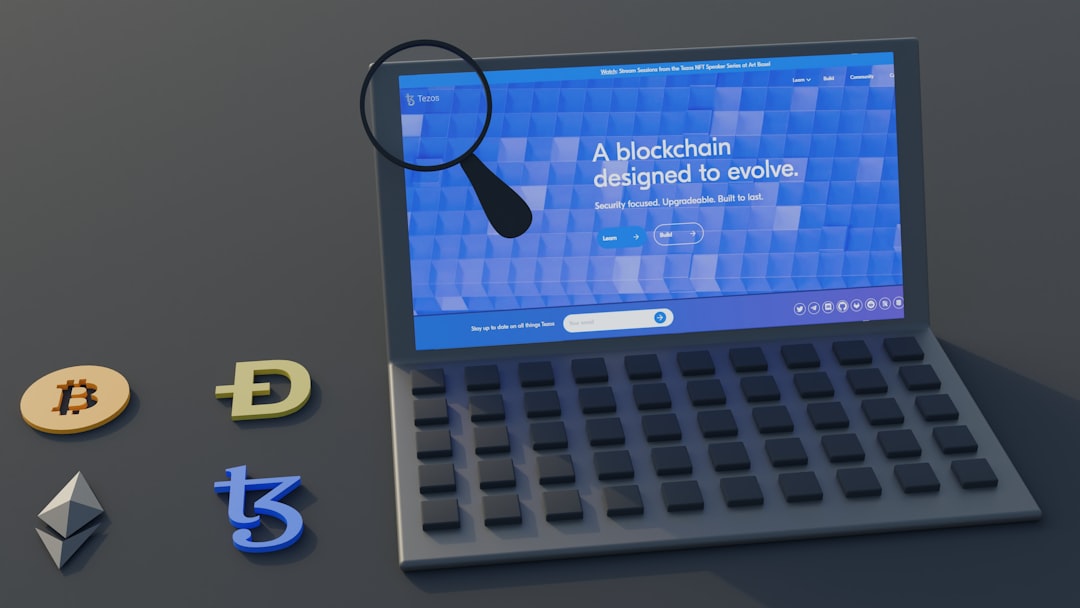
Digital Asset Legitimization: A Comprehensive Guide to Securing and Validating Your Crypto Holdings
In the rapidly evolving world of cryptocurrency, the digital asset legitimization process has become a cornerstone for investors, traders, and institutions seeking to establish trust and compliance in their digital asset portfolios. As blockchain technology continues to reshape financial systems, the need for robust mechanisms to validate and secure digital assets has never been more critical. This guide explores the multifaceted aspects of digital asset legitimization, from regulatory compliance to technological safeguards, ensuring that your crypto holdings are both secure and recognized in the broader financial ecosystem.
The concept of digital asset legitimization extends beyond mere ownership verification; it encompasses a holistic approach to proving the authenticity, provenance, and legal standing of digital assets. Whether you are an individual investor safeguarding your Bitcoin or an enterprise managing a diverse portfolio of cryptocurrencies, understanding the intricacies of digital asset legitimization is essential for mitigating risks and maximizing opportunities in the digital economy.
The Importance of Digital Asset Legitimization in Today’s Crypto Landscape
The digital asset legitimization process serves as a bridge between the decentralized nature of blockchain technology and the structured requirements of traditional financial systems. Without proper legitimization, digital assets can be vulnerable to fraud, regulatory scrutiny, and market instability. Here’s why digital asset legitimization is indispensable:
- Regulatory Compliance: Governments worldwide are tightening regulations around cryptocurrency transactions. Legitimizing digital assets ensures compliance with anti-money laundering (AML) and know-your-customer (KYC) laws, reducing the risk of legal penalties.
- Fraud Prevention: Illegitimate or tainted assets can pose significant risks to investors. Through digital asset legitimization, stakeholders can verify the origin and history of assets, preventing the circulation of fraudulent or stolen funds.
- Market Trust: Institutional investors and mainstream financial institutions are more likely to engage with digital assets that have undergone rigorous legitimization processes. This trust fosters broader adoption and liquidity in the crypto market.
- Risk Mitigation: Legitimized assets are less likely to be subject to seizures, freezes, or other legal actions, providing a layer of protection for asset holders.
- Enhanced Valuation: Assets with a clear and verifiable history often command higher valuations, as they are perceived as lower-risk investments.
In the context of digital asset legitimization, the term "legitimization" refers not just to the act of validating an asset but also to the ongoing process of maintaining its legal and financial integrity. This includes periodic audits, compliance checks, and technological updates to adapt to evolving regulatory landscapes.
Key Challenges in Digital Asset Legitimization
Despite its importance, the digital asset legitimization process faces several challenges:
- Regulatory Fragmentation: Cryptocurrency regulations vary significantly across jurisdictions, making it difficult to establish a universal standard for digital asset legitimization. For example, while some countries embrace crypto-friendly policies, others impose strict bans or heavy restrictions.
- Technological Complexity: Blockchain technology is inherently complex, and verifying the legitimacy of assets often requires advanced tools and expertise. Issues such as private key management, smart contract vulnerabilities, and cross-chain transactions add layers of complexity to the legitimization process.
- Privacy Concerns: While transparency is a core feature of blockchain, excessive transparency can conflict with privacy requirements. Striking a balance between transparency and privacy is a key challenge in digital asset legitimization.
- Market Volatility: The value of digital assets can fluctuate dramatically, impacting their perceived legitimacy. Assets that are legitimized during a market downturn may be viewed differently during a bull run, complicating the process.
- Interoperability Issues: Digital assets often exist across multiple blockchains, each with its own set of rules and protocols. Ensuring seamless legitimization across these networks requires robust interoperability solutions.
Addressing these challenges requires a combination of technological innovation, regulatory collaboration, and industry-wide standards. As the digital asset legitimization landscape evolves, stakeholders must stay informed and adaptable to navigate these complexities effectively.
Regulatory Frameworks for Digital Asset Legitimization
Regulatory frameworks play a pivotal role in shaping the digital asset legitimization process. Governments and financial authorities worldwide are developing guidelines to ensure that digital assets are used responsibly and in compliance with existing laws. Below, we explore the key regulatory frameworks influencing digital asset legitimization.
Global Regulatory Trends
The regulatory environment for digital assets is diverse, with each region adopting its own approach to digital asset legitimization. Some of the most influential regulatory trends include:
- United States: The U.S. has taken a cautious yet progressive approach to digital asset regulation. The Securities and Exchange Commission (SEC) and the Commodity Futures Trading Commission (CFTC) have issued guidelines on the classification of digital assets as securities or commodities. The digital asset legitimization process in the U.S. often involves compliance with AML and KYC regulations, as well as registration with relevant financial authorities.
- European Union: The EU has been at the forefront of digital asset regulation with the introduction of the Markets in Crypto-Assets Regulation (MiCA). MiCA provides a comprehensive framework for the issuance, trading, and legitimization of digital assets within the EU. It emphasizes consumer protection, market integrity, and financial stability, making it a benchmark for other jurisdictions.
- Asia-Pacific: Countries like Japan and Singapore have implemented progressive regulatory frameworks for digital assets. Japan’s Financial Services Agency (FSA) requires crypto exchanges to register and comply with strict AML and KYC standards. Singapore’s Payment Services Act similarly mandates robust compliance measures for digital asset service providers, ensuring robust digital asset legitimization.
- Emerging Markets: In regions like Latin America and Africa, regulatory frameworks for digital assets are still developing. However, countries like El Salvador and Nigeria have embraced cryptocurrencies, paving the way for future digital asset legitimization initiatives.
Compliance Requirements for Digital Asset Legitimization
To achieve digital asset legitimization, stakeholders must adhere to a range of compliance requirements, which vary depending on the jurisdiction and the type of digital asset. Some of the most common compliance requirements include:
- Anti-Money Laundering (AML): AML regulations require digital asset service providers to implement measures to detect and prevent money laundering activities. This includes monitoring transactions, reporting suspicious activities, and maintaining detailed records of customer identities.
- Know Your Customer (KYC): KYC requirements mandate that digital asset service providers verify the identity of their customers. This process typically involves collecting government-issued identification documents, proof of address, and other relevant information.
- Tax Compliance: Many jurisdictions require digital asset holders to report their crypto holdings and transactions for tax purposes. Failure to comply with tax regulations can result in penalties and legal consequences.
- Licensing and Registration: In some jurisdictions, digital asset service providers must obtain licenses or register with financial authorities to operate legally. This ensures that they meet specific standards for security, transparency, and customer protection.
- Data Protection: Compliance with data protection laws, such as the General Data Protection Regulation (GDPR) in the EU, is essential for digital asset service providers. This includes safeguarding customer data and ensuring that it is processed in accordance with legal requirements.
The digital asset legitimization process is not a one-time event but an ongoing commitment to compliance and transparency. As regulations continue to evolve, stakeholders must stay vigilant and adapt their practices to meet new requirements.
The Role of Self-Regulatory Organizations (SROs)
In addition to government regulations, self-regulatory organizations (SROs) play a crucial role in the digital asset legitimization ecosystem. SROs are industry-led organizations that establish and enforce standards for their members. Some notable SROs in the digital asset space include:
- Blockchain Association: A leading SRO in the U.S. that advocates for clear and fair regulations for digital assets. It provides guidance on compliance, best practices, and industry standards.
- Global Digital Finance (GDF): An international SRO that promotes the responsible development of digital asset markets. GDF works with regulators, industry participants, and other stakeholders to establish global standards for digital asset legitimization.
- Chamber of Digital Commerce: A U.S.-based SRO that focuses on advancing the blockchain and digital asset industry. It offers educational resources, advocacy, and compliance support for its members.
By participating in SROs, digital asset service providers can demonstrate their commitment to ethical practices and gain the trust of regulators and customers alike. This collaborative approach enhances the overall legitimacy of the digital asset ecosystem.
Technological Solutions for Digital Asset Legitimization
While regulatory frameworks provide the legal foundation for digital asset legitimization, technological solutions are the backbone of the process. Innovative tools and platforms are being developed to verify the authenticity, provenance, and compliance of digital assets. Below, we explore some of the most impactful technological solutions for digital asset legitimization.
Blockchain Analytics and Forensics
Blockchain analytics tools are essential for tracing the flow of digital assets and identifying suspicious activities. These tools leverage advanced algorithms and machine learning to analyze blockchain data, providing insights into the origin, movement, and destination of assets. Some of the leading blockchain analytics platforms include:
- Chainalysis: A widely used blockchain analytics platform that helps law enforcement, financial institutions, and crypto businesses track illicit transactions and comply with AML regulations. Chainalysis provides tools for risk assessment, transaction monitoring, and investigative reporting.
- Elliptic: Elliptic specializes in blockchain forensics and compliance solutions. Its platform uses AI-driven analytics to identify high-risk transactions, assess compliance risks, and ensure the legitimacy of digital assets.
- CipherTrace: Acquired by Mastercard, CipherTrace offers blockchain intelligence solutions for AML and fraud detection. Its tools help financial institutions and crypto businesses mitigate risks and achieve digital asset legitimization.
These platforms are invaluable for stakeholders seeking to validate the legitimacy of digital assets and comply with regulatory requirements. By leveraging blockchain analytics, users can gain a comprehensive understanding of an asset’s history and identify any red flags that may indicate fraud or illicit activity.
Smart Contract Audits and Verification
Smart contracts are self-executing agreements that run on blockchain networks. While they offer efficiency and transparency, they are also vulnerable to bugs, vulnerabilities, and exploits. To ensure the legitimacy of smart contracts, audits and verification processes are essential. Some key aspects of smart contract audits include:
- Code Review: A thorough examination of the smart contract’s code to identify vulnerabilities, inefficiencies, or malicious logic. This process is typically conducted by experienced blockchain developers or specialized audit firms.
- Formal Verification: A mathematical approach to verifying the correctness of smart contracts. Formal verification ensures that the contract behaves as intended and is free from logical errors.
- Penetration Testing: Simulated cyberattacks on the smart contract to identify potential security weaknesses. Penetration testing helps uncover vulnerabilities that could be exploited by malicious actors.
- Third-Party Audits: Independent audits by reputable firms provide an unbiased assessment of the smart contract’s security and functionality. Third-party audits are often required by investors, regulators, and other stakeholders to validate the legitimacy of a project.
Platforms like CertiK, OpenZeppelin, and ConsenSys Diligence offer comprehensive smart contract audit services, helping projects achieve digital asset legitimization through rigorous verification processes. By investing in smart contract audits, project teams can enhance the trustworthiness of their digital assets and reduce the risk of security breaches.
Decentralized Identity Solutions
Decentralized identity (DID) solutions are revolutionizing the way individuals and organizations manage their digital identities. Unlike traditional identity systems, which rely on centralized authorities, DID solutions leverage blockchain technology to give users control over their personal data. Some key benefits of decentralized identity for digital asset legitimization include:
- Enhanced Privacy: Users can selectively share their identity information without exposing sensitive data to third parties. This reduces the risk of identity theft and fraud.
- Interoperability: DID solutions are designed to work across multiple platforms and blockchains, enabling seamless integration with various digital asset services.
- Compliance: DID solutions can be integrated with KYC and AML processes, ensuring that digital asset service providers meet regulatory requirements while maintaining user privacy.
- User Empowerment: Individuals have full ownership of their identity data, allowing them to manage their digital assets with greater autonomy and control.
Projects like Sovrin, uPort, and Microsoft’s ION are pioneering decentralized identity solutions, providing the foundation for secure and legitimate digital asset transactions. By adopting DID solutions, stakeholders can enhance the digital asset legitimization process and foster a more inclusive and trustworthy digital economy.
Tokenization and Asset Backing
Tokenization is the process of converting real-world or digital assets into blockchain-based tokens. These tokens represent ownership or rights to the underlying asset, enabling fractional ownership, enhanced liquidity, and improved accessibility. Tokenization plays a crucial role in digital asset legitimization by providing a transparent and verifiable record of asset ownership. Some key aspects of tokenization include:
- Asset Backing: Tokens are often backed by real-world assets, such as real estate, commodities, or securities. This backing provides tangible value to the token and enhances its legitimacy.
- Smart Contracts: Tokenized assets are managed through smart contracts, which automate the transfer of ownership, dividend payments, and other functions. Smart contracts ensure that the tokenization process is transparent and tamper-proof.
- Regulatory Compliance: Tokenized assets must comply with existing securities laws and regulations. This includes registering tokens with relevant authorities, conducting KYC/AML checks, and providing investors with clear disclosures.
- Interoperability: Tokenized assets can be traded across multiple blockchains and platforms, increasing their liquidity and accessibility. Interoperability solutions, such as Polkadot and Cosmos, facilitate seamless cross-chain transactions.
Platforms like Polymath, Securitize, and Tokeny offer tokenization services, enabling businesses and individuals to create and manage tokenized assets. By leveraging tokenization, stakeholders can achieve digital asset legitimization while unlocking new opportunities for investment and asset management.
Best Practices for Achieving Digital Asset Legitimization
Achieving digital asset legitimization requires a strategic and proactive approach. Whether you are an individual investor, a crypto exchange, or a blockchain project, adhering to best practices can enhance the legitimacy of your digital assets and mitigate risks. Below, we outline key best practices for achieving digital asset legitimization.
For Individual Investors and Traders
Individuals holding digital assets must take steps to ensure the legitimacy of their holdings and comply with regulatory requirements. Some best practices include:
- Use Reputable Exchanges and Wallets: Choose exchanges and wallets with strong security measures, regulatory compliance, and positive user reviews. Reputable platforms often have robust KYC/AML processes in place, which contribute to the digital asset legitimization of your holdings.
- Keep Detailed Records: Maintain accurate records of your digital asset transactions, including purchase dates, amounts, and counterparties. This documentation is essential for tax compliance and proving the legitimacy of your assets.
- Implement Strong Security Measures: Protect your digital assets with hardware wallets, multi-signature setups, and strong passwords. Avoid sharing private keys or sensitive information online.
- Stay Informed About Regulations: Keep up-to-date with the latest regulatory developments in your jurisdiction. Compliance with local laws is a critical aspect of digital asset legitimization.
- Diversify Your Portfolio: Spread your investments across multiple assets and platforms to reduce risk. Diversification can also enhance the overall legitimacy of your portfolio by demonstrating a balanced and thoughtful investment strategy.
For Crypto Exchanges and Service Providers
Crypto exchanges and digital asset service providers

The Path to Digital Asset Legitimization: A Senior Analyst’s Perspective on Institutional Adoption
As a senior crypto market analyst with over a decade of experience in digital asset research, I’ve witnessed firsthand the transformative potential of blockchain technology—yet its full legitimization remains an ongoing challenge. Digital asset legitimization isn’t just about regulatory clarity; it’s about proving resilience, utility, and scalability in real-world applications. Institutions, once skeptical, are now allocating capital to crypto not out of hype, but because they recognize its role in diversifying portfolios, hedging against inflation, and enabling programmable finance. The shift from speculative trading to structured investment vehicles—like Bitcoin ETFs and tokenized real estate—signals a maturing ecosystem where digital assets are no longer fringe assets but core components of modern finance.
Practical legitimization hinges on three pillars: infrastructure, compliance, and education. On the infrastructure front, custody solutions like multi-party computation (MPC) wallets and regulated exchanges have mitigated security risks, while decentralized finance (DeFi) protocols now offer audited, transparent financial services. Compliance, once a hurdle, has evolved with frameworks like MiCA in the EU and the SEC’s evolving stance in the U.S., providing legal pathways for institutional participation. Yet the biggest hurdle remains education—many traditional finance professionals still conflate volatility with fundamental risk, overlooking the long-term value of blockchain’s trustless, immutable ledgers. For digital asset legitimization to reach its apex, we must bridge this knowledge gap, ensuring that adoption is driven by informed conviction, not FOMO.