Fund Flow Visualization: A Comprehensive Guide for BTC Mixer Users
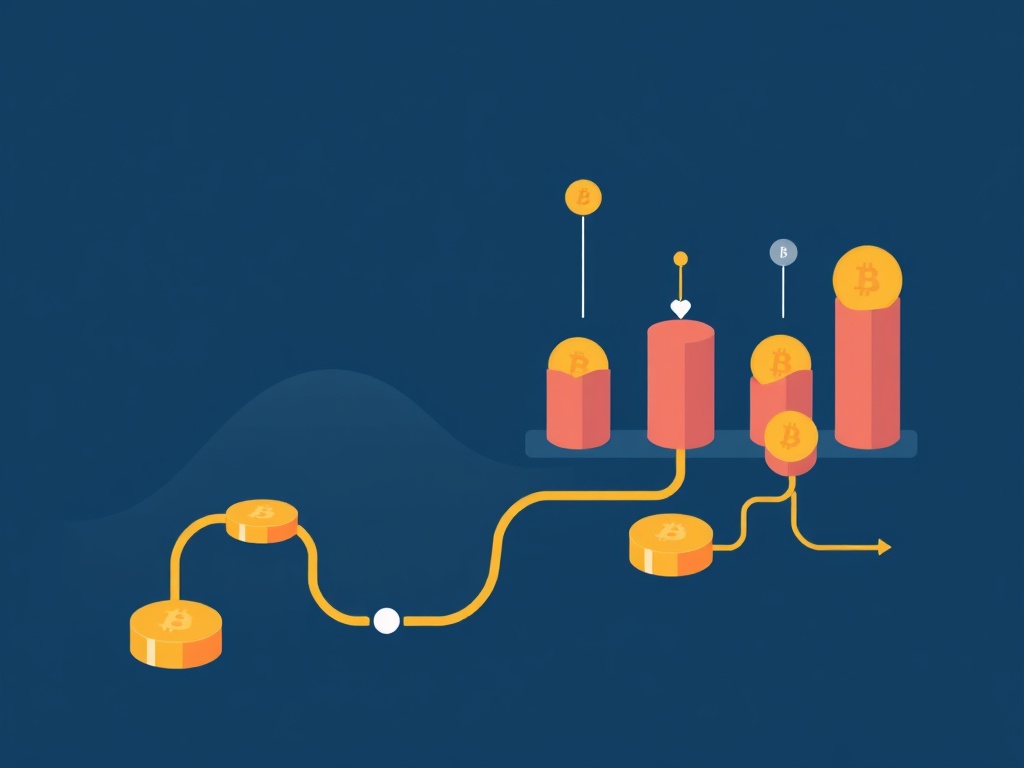
Fund Flow Visualization: A Comprehensive Guide for BTC Mixer Users
In the rapidly evolving world of cryptocurrency, privacy and security remain paramount concerns for users. Bitcoin mixers, also known as tumblers, have emerged as a popular solution to enhance transaction anonymity. However, the effectiveness of these services can be significantly improved through fund flow visualization. This technique provides users with a clear, intuitive representation of how their funds move through the mixing process, ensuring transparency and trust. In this guide, we will explore the concept of fund flow visualization in depth, its benefits, implementation strategies, and how it applies specifically to BTC mixer services like BTCMixer.
Understanding fund flow visualization is essential for both novice and experienced cryptocurrency users. It bridges the gap between technical complexity and user-friendly interfaces, making it easier to track and verify transactions. Whether you are a privacy advocate, a trader, or simply someone looking to protect your financial data, mastering fund flow visualization can provide peace of mind and greater control over your digital assets.
---What Is Fund Flow Visualization and Why Does It Matter?
The Basics of Fund Flow Visualization
Fund flow visualization refers to the graphical representation of how funds move through a system, such as a Bitcoin mixer. This technique uses charts, diagrams, and interactive tools to illustrate the path of transactions, making it easier for users to understand where their money is going and how it is being mixed with other users' funds. By visualizing the flow of funds, users can verify that the mixing process is functioning correctly and that their transactions remain anonymous.
In the context of Bitcoin mixers, fund flow visualization serves several critical functions:
- Transparency: Users can see exactly how their funds are being processed, reducing concerns about hidden fees or mismanagement.
- Trust: A clear visual representation builds confidence in the mixer's reliability and security.
- Verification: Users can confirm that their transactions are being mixed with others, enhancing privacy.
- Education: New users can learn how Bitcoin mixers work through intuitive visuals, rather than complex technical explanations.
Why Fund Flow Visualization Is Crucial for BTC Mixer Users
Bitcoin mixers operate by pooling funds from multiple users and redistributing them in a way that obscures the original transaction trail. While this process is highly effective, it can be difficult for users to verify that their funds are being handled correctly. Fund flow visualization addresses this challenge by providing a real-time or post-transaction view of the mixing process.
For example, imagine sending 1 BTC to a mixer and receiving a confirmation that your transaction has been processed. Without fund flow visualization, you might wonder whether your funds were genuinely mixed or if they were simply held by the service. A visual representation of the fund flow would show the input and output addresses, the mixing pool, and the redistribution process, giving you concrete evidence of the mixer's operations.
Moreover, fund flow visualization can help users identify potential issues, such as:
- Delays in processing due to network congestion.
- Unexpected fees or deductions from the mixer.
- Failures in the mixing algorithm that could compromise anonymity.
By addressing these concerns, fund flow visualization enhances the overall user experience and reinforces the credibility of Bitcoin mixer services.
---The Role of Fund Flow Visualization in Bitcoin Mixers
How Bitcoin Mixers Work: A Brief Overview
Before diving into fund flow visualization, it's important to understand the basic mechanics of Bitcoin mixers. A Bitcoin mixer, or tumbler, is a service that takes your Bitcoin and mixes it with the funds of other users. This process breaks the direct link between your input and output addresses, making it difficult for third parties to trace the origin of your transactions.
The typical steps in a Bitcoin mixing process include:
- Deposit: You send your Bitcoin to the mixer's address.
- Pooling: The mixer combines your funds with those of other users in a shared pool.
- Mixing: The mixer redistributes the funds, sending them to new addresses that are not directly linked to your original address.
- Withdrawal: You receive your mixed Bitcoin at a new address, ideally one that cannot be traced back to you.
While this process is designed to enhance privacy, it can be opaque to users. This is where fund flow visualization comes into play, providing a clear and detailed view of each step.
How Fund Flow Visualization Enhances Bitcoin Mixers
Fund flow visualization transforms the abstract concept of fund mixing into a tangible, understandable process. By representing the flow of funds through diagrams or interactive tools, users can:
- Track Their Transactions: See exactly where their funds go during the mixing process.
- Verify Anonymity: Confirm that their funds have been sufficiently mixed with others.
- Detect Anomalies: Identify any irregularities, such as funds being sent to suspicious addresses.
- Optimize Timing: Choose the best times to send funds based on network activity and mixer performance.
For instance, a user might notice that their funds are taking longer than expected to mix. With fund flow visualization, they can see whether the delay is due to low liquidity in the mixer's pool or network congestion. This insight allows them to make informed decisions about their transactions.
Real-World Examples of Fund Flow Visualization in BTC Mixers
Several Bitcoin mixer services have begun incorporating fund flow visualization into their platforms to improve user experience. For example:
- BTCMixer: This popular Bitcoin mixer offers a detailed transaction history and fund flow chart, allowing users to track their funds in real time. The visualization includes input and output addresses, timestamps, and fee breakdowns.
- Wasabi Wallet: While primarily a privacy-focused wallet, Wasabi includes a coinjoin feature that visualizes the mixing process. Users can see how their coins are being combined with others in the pool.
- Samourai Wallet: This wallet offers a feature called "Whirlpool," which provides a visual representation of the mixing process. Users can monitor the progress of their transactions and verify that their coins have been sufficiently mixed.
These examples demonstrate how fund flow visualization can be integrated into existing Bitcoin mixer services to enhance transparency and user trust.
---Key Components of Effective Fund Flow Visualization
Visual Elements to Include in Fund Flow Diagrams
An effective fund flow visualization should incorporate several key visual elements to ensure clarity and accuracy. These elements include:
- Input and Output Addresses: Clearly labeled addresses where funds enter and exit the mixer.
- Mixing Pool: A visual representation of the shared pool where funds are combined with others.
- Transaction Timestamps: Timelines or timestamps showing when each step of the process occurs.
- Fee Breakdowns: A detailed breakdown of any fees charged by the mixer.
- Network Activity: Indicators of network congestion or other factors affecting transaction speed.
- Anonymity Score: A metric that quantifies how well your funds have been mixed (e.g., based on the number of hops or the diversity of output addresses).
By including these elements, fund flow visualization becomes a powerful tool for users to monitor and verify their transactions.
Tools and Technologies for Creating Fund Flow Visualizations
Creating an effective fund flow visualization requires the right tools and technologies. Some of the most popular options include:
- Graph Databases: Tools like Neo4j or ArangoDB can model the complex relationships between addresses, transactions, and users.
- Blockchain Explorers: Services like Blockchain.com or Blockstream.info provide APIs that can be used to fetch transaction data for visualization.
- JavaScript Libraries: Libraries such as D3.js, Vis.js, or Cytoscape.js are ideal for creating interactive and dynamic visualizations.
- Custom Dashboards: Platforms like Tableau or Power BI can be used to build user-friendly dashboards for fund flow tracking.
- API Integrations: Many Bitcoin mixer services offer APIs that can be used to fetch real-time transaction data for visualization purposes.
For example, a Bitcoin mixer like BTCMixer might use a combination of a graph database to model transaction relationships and a JavaScript library like D3.js to create an interactive fund flow chart. This approach ensures that users can easily navigate and understand the visualization.
Best Practices for Designing User-Friendly Fund Flow Visualizations
While the technical aspects of fund flow visualization are important, the design and usability of the visualization are equally critical. To ensure that users can effectively interpret the data, follow these best practices:
- Keep It Simple: Avoid cluttering the visualization with too much information. Focus on the most relevant data points.
- Use Clear Labels: Ensure that all addresses, timestamps, and fees are clearly labeled and easy to understand.
- Provide Context: Include explanations or tooltips to help users understand what they are seeing.
- Make It Interactive: Allow users to zoom in, hover over elements, or filter data to explore the visualization in more detail.
- Highlight Key Information: Use colors, bold text, or icons to draw attention to important details, such as fees or delays.
- Ensure Responsiveness: The visualization should work well on both desktop and mobile devices.
By adhering to these best practices, you can create a fund flow visualization that is both informative and user-friendly.
---Implementing Fund Flow Visualization in BTC Mixer Services
Step-by-Step Guide to Integrating Fund Flow Visualization
Integrating fund flow visualization into a Bitcoin mixer service like BTCMixer involves several steps. Below is a step-by-step guide to help you get started:
- Data Collection:
- Gather transaction data from the blockchain using APIs or blockchain explorers.
- Collect internal data from the mixer, such as input/output addresses, fees, and timestamps.
- Data Processing:
- Clean and normalize the data to ensure consistency.
- Use a graph database to model the relationships between addresses and transactions.
- Visualization Design:
- Choose the right tools and technologies (e.g., D3.js, Neo4j, or a custom dashboard).
- Design the visualization layout, including input/output addresses, mixing pool, and fee breakdowns.
- User Interface Integration:
- Embed the visualization into the mixer's user interface (e.g., as part of the transaction history page).
- Ensure the visualization is responsive and works on all devices.
- Testing and Optimization:
- Test the visualization with real users to gather feedback.
- Optimize performance, especially for large datasets or complex transactions.
- Deployment and Monitoring:
- Deploy the visualization to the production environment.
- Monitor user engagement and gather feedback for continuous improvement.
By following this guide, you can successfully implement fund flow visualization in a Bitcoin mixer service, enhancing transparency and user trust.
Case Study: How BTCMixer Implemented Fund Flow Visualization
BTCMixer, one of the leading Bitcoin mixer services, recognized the need for greater transparency in its operations. To address this, the team decided to integrate fund flow visualization into its platform. Here’s how they did it:
- Data Collection: BTCMixer used blockchain APIs to fetch transaction data and combined it with its internal records.
- Graph Database Setup: They implemented a Neo4j database to model the relationships between addresses, transactions, and users.
- Visualization Design: Using D3.js, they created an interactive fund flow chart that displayed input/output addresses, mixing pool activity, and fee breakdowns.
- User Interface Integration: The visualization was embedded into the transaction history page, allowing users to track their funds in real time.
- Testing and Optimization: BTCMixer conducted extensive testing with a small group of users to gather feedback and refine the visualization.
- Deployment: The feature was rolled out to all users, resulting in increased trust and satisfaction.
The implementation of fund flow visualization at BTCMixer has been a resounding success. Users now have a clear, intuitive way to monitor their transactions, and the mixer has seen a significant improvement in user retention and engagement.
Challenges and Solutions in Implementing Fund Flow Visualization
While fund flow visualization offers numerous benefits, implementing it in a Bitcoin mixer service is not without challenges. Some of the most common challenges and their solutions include:
- Data Privacy Concerns:
Challenge: Mixing services must balance transparency with user privacy. Revealing too much information could compromise anonymity.
Solution: Use aggregated or anonymized data in the visualization. For example, instead of showing exact addresses, use placeholders or hashes.
- Performance Issues:
Challenge: Visualizing large datasets or complex transactions can slow down the system.
Solution: Optimize the visualization by using efficient data structures (e.g., graph databases) and lazy loading techniques.
- User Understanding:
Challenge: Not all users are familiar with blockchain concepts, making it difficult for them to interpret the visualization.
Solution: Provide tooltips, tutorials, or guided tours to help users understand the visualization.
- Integration Complexity:
Challenge: Integrating the visualization into an existing platform can be technically challenging.
Solution: Work with experienced developers and use modular, scalable technologies (e.g., microservices architecture).
- Regulatory Compliance:
Challenge: Mixing services must comply with regulations such as AML (Anti-Money Laundering) and KYC (Know Your Customer).
Solution: Ensure that the visualization does not reveal sensitive information that could violate regulations.
By addressing these challenges proactively, Bitcoin mixer services can successfully implement fund flow visualization while maintaining privacy, performance, and compliance.
---Advanced Techniques for Fund Flow Visualization in Bitcoin Mixers
Using Machine Learning to Enhance Fund Flow Analysis
Machine learning (ML) can take fund flow visualization to the next level by identifying patterns, anomalies, and trends in transaction data. For example, ML algorithms can be used to:
- Detect Suspicious Activity: Identify transactions that may be linked to money laundering or other illicit activities.
- Predict Mixing Outcomes: Estimate the anonymity score of a transaction based on historical data.
- Optimize Mixing Strategies: Recommend the best times or methods for sending funds to maximize privacy.
- Cluster Addresses: Group related addresses to provide a clearer picture of fund flows.
For instance, a Bitcoin mixer could use an ML model to analyze the fund flow of a transaction and predict whether the output addresses are sufficiently diverse to ensure anonymity. This information could then be displayed in the fund flow visualization, giving users additional confidence in the mixing process.
Real-Time Fund Flow Tracking: Tools and Techniques
Real-time fund flow tracking is a powerful feature that allows users to monitor their transactions as they happen. This is particularly useful for Bitcoin

Fund Flow Visualization: The Secret Weapon for Smarter Crypto Investment Decisions
As a crypto investment advisor with over a decade of experience, I’ve seen firsthand how fund flow visualization transforms raw market data into actionable insights. Too many investors rely solely on price charts or social sentiment, missing the critical signals hidden in on-chain and exchange data. Fund flow visualization bridges this gap by mapping capital movements in real-time, revealing where institutional money is flowing, which assets are gaining traction, and when retail sentiment is shifting. For example, a sudden surge in stablecoin inflows to a specific exchange often precedes a bullish breakout, while large outflows from a privacy coin like Monero may signal regulatory concerns. These patterns aren’t just academic—they’re the difference between reacting to the market and anticipating it.
Practical application is where fund flow visualization truly shines. I advise my clients to integrate tools like Glassnode, Nansen, or CryptoQuant into their workflows, focusing on metrics like exchange net flows, whale accumulation, and DeFi protocol deposits. One of my institutional clients used fund flow data to exit a position in a high-capacity L1 blockchain just before a major validator sell-off, avoiding a 20% drawdown. The key is to combine fund flows with traditional analysis—such as on-chain activity and macro trends—to avoid false signals. In volatile markets, where sentiment can flip in hours, fund flow visualization acts as an early warning system, helping investors stay ahead of the curve. Ignore it at your peril; master it, and you’ll trade with the precision of a hedge fund.