Secure Anonymous Wallet: The Ultimate Guide to Privacy-Focused Cryptocurrency Storage
Secure Anonymous Wallet: The Ultimate Guide to Privacy-Focused Cryptocurrency Storage
In an era where digital privacy is increasingly under threat, cryptocurrency users are seeking secure anonymous wallets to protect their financial transactions and personal data. Whether you're a seasoned trader, a privacy advocate, or someone new to the world of digital assets, understanding how to safeguard your funds without compromising anonymity is crucial.
This comprehensive guide explores the concept of secure anonymous wallets, their benefits, key features, and how they differ from traditional wallets. We'll also delve into the best practices for using these wallets securely and the top options available in 2024.
---What Is a Secure Anonymous Wallet?
A secure anonymous wallet is a cryptocurrency storage solution designed to prioritize user privacy by obscuring transaction details, wallet addresses, and personal information. Unlike conventional wallets, which may link transactions to identifiable data, anonymous wallets employ advanced cryptographic techniques to ensure that users can send, receive, and store digital assets without revealing their identity.
Key Characteristics of Anonymous Wallets
- No KYC Requirements: Most secure anonymous wallets do not require Know Your Customer (KYC) verification, allowing users to bypass identity checks.
- Stealth Addresses: These wallets generate unique, one-time addresses for each transaction, preventing blockchain analysis from linking transactions to a single user.
- Coin Mixing (Tumbling): Some wallets integrate coin mixing services to obfuscate the origin of funds, making transactions untraceable.
- Decentralized Structure: Many anonymous wallets operate on decentralized networks, reducing the risk of censorship or third-party interference.
- Open-Source Code: Transparency is key—open-source wallets allow users to audit the code for security vulnerabilities.
How Anonymous Wallets Differ from Traditional Wallets
Traditional cryptocurrency wallets, such as those offered by exchanges, often require identity verification and log transaction histories on public blockchains. In contrast, a secure anonymous wallet ensures that:
- No personal data is stored or linked to transactions.
- Transactions are not publicly traceable to the user’s wallet address.
- Funds are not held by a centralized entity, reducing the risk of hacks or seizures.
Why Use a Secure Anonymous Wallet?
Privacy is a fundamental right, and in the context of cryptocurrency, it’s also a security measure. Here’s why a secure anonymous wallet should be a priority for crypto users:
1. Protection Against Surveillance and Tracking
Governments, corporations, and malicious actors often monitor blockchain transactions. A secure anonymous wallet shields users from:
- Government surveillance (e.g., tax agencies tracking crypto holdings).
- Corporate data harvesting (e.g., exchanges selling user data).
- Malicious actors analyzing blockchain activity to target high-net-worth individuals.
2. Financial Privacy in a Transparent Blockchain World
Blockchains like Bitcoin and Ethereum are designed to be transparent, meaning anyone can view transaction amounts and addresses. However, this transparency can expose users to risks such as:
- Address Clustering: Analyzing multiple transactions to identify a user’s wallet.
- Change Address Tracking: Following the "change" sent back to the sender in a transaction.
- IP Address Leaks: If a wallet connects to a node, the user’s IP address may be exposed.
A secure anonymous wallet mitigates these risks by breaking the link between transactions and user identities.
3. Avoiding Censorship and Asset Seizure
In some jurisdictions, authorities can freeze or seize cryptocurrency assets linked to an identified wallet. By using an anonymous wallet, users can:
- Avoid having their funds frozen due to political or financial reasons.
- Protect assets in countries with strict capital controls.
- Prevent exchanges from blocking withdrawals based on arbitrary policies.
4. Security Against Hacking and Scams
Centralized exchanges and hot wallets are prime targets for hackers. A secure anonymous wallet reduces exposure to:
- Exchange hacks (e.g., Mt. Gox, FTX collapse).
- Phishing attacks targeting wallet users.
- Malware that steals private keys from connected devices.
By storing funds in a non-custodial, offline, or air-gapped wallet, users regain control over their assets.
---Types of Secure Anonymous Wallets
Not all anonymous wallets are created equal. Depending on your needs, you may opt for a software, hardware, or hybrid solution. Below are the main types of secure anonymous wallets available:
1. Software Wallets (Hot Wallets)
Software wallets are applications or programs that store private keys on a device connected to the internet. While convenient, they require careful security practices to remain anonymous.
Subtypes of Software Wallets
- Desktop Wallets: Installed on a personal computer, these wallets offer better security than web wallets but still require protection against malware.
- Mobile Wallets: Apps for smartphones, often with built-in privacy features like Tor integration or coin mixing.
- Web Wallets: Browser-based wallets that are convenient but carry higher risks of phishing and hacking. Some anonymous web wallets use VPNs or Tor to enhance privacy.
Popular Anonymous Software Wallets
- Wasabi Wallet: A Bitcoin-only wallet with built-in coin mixing (Chaumian CoinJoin) and Tor support.
- Samourai Wallet: A mobile wallet for Bitcoin with features like PayNyms (stealth addresses) and StonewallX2 (transaction obfuscation).
- Electrum (with Privacy Plugins): A lightweight desktop wallet that can be configured for enhanced privacy using plugins like CoinJoin or Tor.
2. Hardware Wallets (Cold Storage)
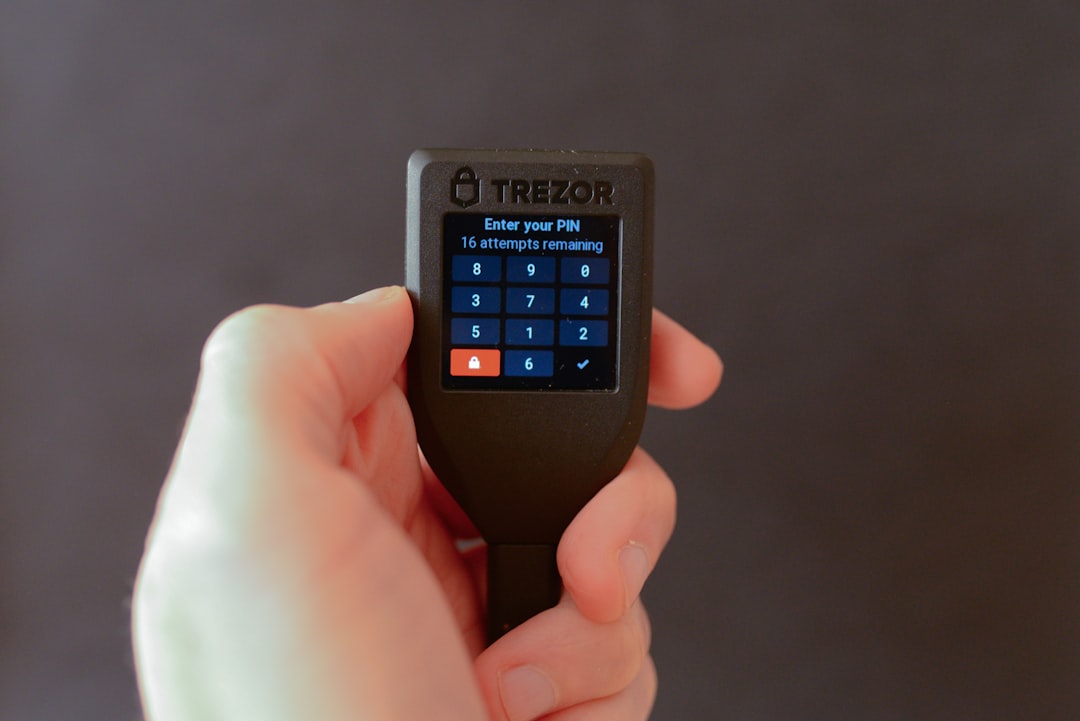
Hardware wallets are physical devices that store private keys offline, making them highly resistant to online attacks. While not inherently anonymous, they can be paired with privacy-enhancing techniques.
Subtypes of Hardware Wallets
- Air-Gapped Wallets: Devices like Coldcard or BitBox02 that never connect to the internet, requiring manual transaction signing.
- Multi-Signature Wallets: Wallets that require multiple signatures to authorize transactions, adding an extra layer of security.
How to Use a Hardware Wallet Anonymously
- Purchase with Cash: Buy the hardware wallet from a reputable seller using cash or a privacy-focused payment method (e.g., Monero).
- Use a New Device: Avoid using a device that has been previously connected to the internet.
- Generate Addresses Offline: Use the wallet’s air-gapped feature to create addresses without exposing them online.
- Mix Coins Before Depositing: Use a coin mixing service before transferring funds to your hardware wallet.
3. Paper Wallets
A paper wallet is a physical document containing a public address and private key, printed or written down. While completely offline, they require careful handling to avoid loss or theft.
Pros and Cons of Paper Wallets
| Pros | Cons |
|---|---|
| Completely offline, immune to hacking. | Vulnerable to physical damage (fire, water, etc.). |
| No need for software or hardware. | Risk of keyloggers or cameras capturing the private key during generation. |
| Ideal for long-term storage ("cold storage"). | Cumbersome to use for frequent transactions. |
4. Hybrid Wallets (Software + Hardware)
Some users combine software and hardware solutions for enhanced privacy. For example:
- Using a secure anonymous wallet like Wasabi Wallet to mix coins, then transferring them to a hardware wallet for long-term storage.
- Employing a mobile wallet with Tor support for daily transactions, while keeping larger sums in cold storage.
Top Features to Look for in a Secure Anonymous Wallet
Not all wallets labeled as "anonymous" live up to the promise. When selecting a secure anonymous wallet, prioritize the following features:
1. Stealth Addresses and Coin Mixing
Stealth addresses generate a new, unique address for each transaction, preventing blockchain analysis from linking payments to a single user. Coin mixing (or tumbling) further obscures the transaction trail by combining funds with those of other users.
Examples of wallets with these features:
- Monero (XMR): A privacy-focused cryptocurrency with built-in stealth addresses and Ring Signatures.
- Wasabi Wallet: Uses Chaumian CoinJoin to mix Bitcoin transactions.
- Samourai Wallet: Offers PayNyms (stealth addresses) and StonewallX2 (transaction obfuscation).
2. Tor and VPN Integration
To prevent IP address leaks, a secure anonymous wallet should support:
- Tor Network: Routes traffic through multiple nodes to hide the user’s IP address.
- VPN Compatibility: Allows users to connect to a VPN before accessing the wallet.
Wallets like Electrum (with Tor) and Samourai Wallet (with built-in Tor support) excel in this area.
3. No KYC or Identity Verification
Many exchanges and wallet providers require KYC to comply with regulations. A true secure anonymous wallet should:
- Not require email verification.
- Not log IP addresses or transaction metadata.
- Allow users to create and restore wallets without personal data.
Examples include Wasabi Wallet and Monero wallets like Monerujo.
4. Open-Source and Auditable Code
Closed-source wallets may contain backdoors or vulnerabilities. Open-source wallets allow the community to review and audit the code for security flaws. Trusted options include:
- Bitcoin Core: The reference implementation for Bitcoin, fully open-source.
- Wasabi Wallet: Open-source with regular audits.
- Electrum: Lightweight and open-source with a strong reputation.
5. Multi-Currency Support (Optional)
While some users prefer wallets focused on a single cryptocurrency (e.g., Bitcoin-only), others may need support for multiple assets. Privacy-focused wallets like Edge Wallet and Guarda Wallet offer multi-currency support while maintaining anonymity.
6. Backup and Recovery Options
A secure anonymous wallet should provide secure backup methods, such as:
- BIP39 Seed Phrases: A 12- or 24-word phrase that can restore the wallet.
- Hardware Wallet Backups: For devices like Ledger or Trezor, secure backup sheets are recommended.
- Shamir’s Secret Sharing: Splits the seed phrase into multiple parts for added security.
Step-by-Step Guide: Setting Up a Secure Anonymous Wallet
Ready to take control of your privacy? Follow this step-by-step guide to set up a secure anonymous wallet safely.
Step 1: Choose the Right Wallet for Your Needs
Consider the following factors:
- Cryptocurrency Support: Do you need Bitcoin, Monero, or other coins?
- Platform Compatibility: Desktop, mobile, or hardware?
- Privacy Features: Stealth addresses, coin mixing, Tor support?
- Ease of Use: Are you a beginner or an advanced user?
For beginners, Wasabi Wallet (Bitcoin) or Monerujo (Monero) are excellent choices. Advanced users may prefer Samourai Wallet or an air-gapped hardware wallet like Coldcard.
Step 2: Download and Install the Wallet Securely
To avoid malware or phishing, follow these precautions:
- Download from Official Sources: Always get the wallet from the official website or GitHub repository. Avoid third-party mirrors or app stores.
- Verify the Download: Check the wallet’s GPG signature or SHA-256 hash to ensure the file hasn’t been tampered with.
- Use a Clean Device: If possible, install the wallet on a dedicated device that hasn’t been used for other purposes.
- Enable Full Disk Encryption: Protect your device with a strong password or encryption (e.g., BitLocker, FileVault, or VeraCrypt).
Step 3: Create a New Wallet
Most wallets will guide you through the setup process. Here’s what to expect:
- Generate a Seed Phrase: Write down the 12- or 24-word recovery phrase on paper and store it securely. Never store it digitally.
- Set a Strong Password: Use a passphrase (not just a password) for added security. Example: "CorrectHorseBatteryStaple$2024!"
- Enable Privacy Features: Activate stealth addresses, coin mixing, or Tor support if available.
Step 4: Fund Your Wallet Anonymously
To maintain privacy, avoid linking your identity to the wallet. Here’s how:
- Use a Privacy Coin: Purchase Monero (XMR) from a non-KYC exchange like Bisq or LocalMonero, then convert it to Bitcoin using a service like XMR.to.
- Mix Your Coins: Use a coin mixing service (e.g., Wasabi Wallet’s CoinJoin or Samourai’s Whirlpool) to break the transaction trail.
- Use a VPN/Tor: Connect to the internet via a VPN or Tor before making transactions.
- Avoid Reusing Addresses: Generate a new address for each transaction to prevent address clustering.
Step 5: Secure Your Wallet Long-Term
Privacy is only as strong as your security practices. Follow these tips:
- Enable Two-Factor Authentication (2FA): If the wallet supports it, use a hardware key (e.g., YubiKey) instead of SMS.
- Keep Software Updated: Regularly update your wallet to patch security vulnerabilities.
- Use a Hardware Wallet for Large Sums: Store most of your funds in a cold wallet like Coldcard or BitBox02.
- Avoid Public Wi-Fi: Never access your wallet on unsecured networks.
- Test Small Transactions First: Before sending large amounts, test with a small transaction to ensure everything works.

The Importance of a Secure Anonymous Wallet in Today's Crypto Landscape
As a certified financial analyst with over a decade of experience in cryptocurrency investments, I’ve seen firsthand how the demand for privacy and security in digital assets has evolved. A secure anonymous wallet isn’t just a luxury—it’s a necessity for investors who prioritize discretion and asset protection. In an era where regulatory scrutiny and cyber threats are on the rise, traditional wallets that lack robust anonymity features expose users to unnecessary risks. Whether you're a retail investor or managing institutional funds, the ability to transact without revealing your identity or holdings can be a game-changer in preserving both financial privacy and security.
From a practical standpoint, a secure anonymous wallet should combine cutting-edge encryption with user-friendly functionality. Look for wallets that employ zero-knowledge proofs, coin mixing services, or decentralized identity solutions to obscure transaction trails. However, not all anonymous wallets are created equal—some may compromise on usability or security in their quest for privacy. My advice? Always conduct thorough due diligence. Test the wallet’s reputation, review its audit history, and ensure it supports the assets you hold. Remember, the most secure anonymous wallet is one that balances privacy with reliability, so you can invest with confidence without sacrificing peace of mind.