Understanding Anonymous SIM Cards: Privacy, Security, and Use Cases in the Digital Age
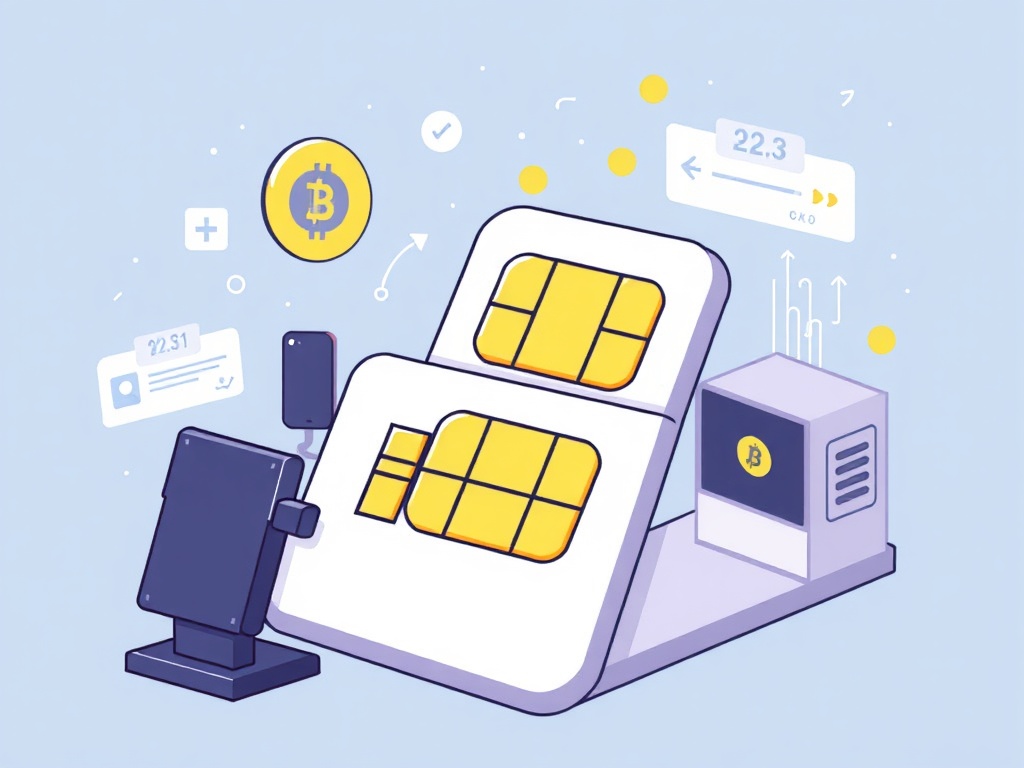
Understanding Anonymous SIM Cards: Privacy, Security, and Use Cases in the Digital Age
In an era where digital surveillance, data breaches, and identity theft are growing concerns, individuals and businesses alike are seeking ways to protect their privacy. One of the most effective tools for maintaining anonymity in communication is the anonymous SIM card. These specialized SIM cards allow users to register and use mobile services without revealing their true identity, making them a valuable asset for privacy-conscious individuals, journalists, activists, and even corporate professionals handling sensitive data.
This comprehensive guide explores the concept of anonymous SIM cards, their benefits, how they work, legal considerations, and practical applications. Whether you're looking to safeguard your personal information or understand the technical and ethical implications, this article provides the insights you need.
The Rise of Anonymous SIM Cards: Why Privacy Matters More Than Ever
Privacy is no longer a luxury—it's a necessity. With governments, corporations, and cybercriminals constantly monitoring digital activity, the demand for tools that preserve anonymity has surged. Traditional SIM cards require registration with personal details such as name, address, and government-issued ID. This process, known as Know Your Customer (KYC), is mandatory in most countries to prevent fraud and terrorism. However, it also creates a digital footprint that can be exploited.
Anonymous SIM cards bypass this requirement by allowing users to purchase and activate SIMs without disclosing their identity. These cards are often sold under the guise of "prepaid" or "burner" SIMs, which can be activated using cash or cryptocurrency. The rise of cryptocurrencies like Bitcoin has further facilitated anonymous transactions, making it easier to acquire anonymous SIM cards without leaving a trace.
For many, the appeal lies in avoiding surveillance. Governments in some regions use mobile data to track citizens, while corporations harvest personal information for targeted advertising. In authoritarian regimes, anonymous SIM cards can be a lifeline for activists and journalists who need to communicate securely without fear of retribution. Even in democratic societies, individuals may use these cards to protect themselves from stalkers, identity thieves, or overreaching data collection policies.
The growing awareness of mass surveillance programs like PRISM and the increasing number of data breaches have pushed privacy advocates to seek alternative solutions. Anonymous SIM cards represent one such solution, offering a balance between convenience and confidentiality in an increasingly interconnected world.
How Anonymous SIM Cards Work: Technology Behind the Privacy
The Basics of SIM Card Technology
A Subscriber Identity Module (SIM) card is a small chip that stores unique identification information for mobile network subscribers. When inserted into a phone, it authenticates the user to the network, allowing calls, texts, and data usage. Traditional SIMs are tied to a user's identity through registration databases maintained by telecom providers.
In contrast, anonymous SIM cards operate without this direct link. Instead of requiring personal details, these SIMs are often sold as "no-contract" or "prepaid" options. The activation process typically involves:
- Purchasing the SIM from a vendor that does not require ID (e.g., online stores, vending machines, or street vendors).
- Activating the card using a temporary or virtual phone number.
- Funding the account with cash, cryptocurrency, or other untraceable payment methods.
Types of Anonymous SIM Cards
Not all anonymous SIM cards are created equal. They vary in terms of anonymity levels, network compatibility, and ease of use. Here are the primary types:
- Prepaid SIM Cards: These are the most common type of anonymous SIM cards. They are sold without requiring ID and can be topped up with cash or digital currency. Examples include Lycamobile, Lebara, and local prepaid options in many countries.
- Virtual SIM Cards (eSIMs): Digital SIMs that can be activated without a physical card. Some eSIM providers offer anonymous activation, though this is less common due to the need for initial setup.
- Burner SIM Cards: Temporary SIMs designed for short-term use. They are often discarded after a set period or when the balance runs out. Brands like TextNow and Google Voice offer burner-like services, though full anonymity may require additional steps.
- Cryptocurrency-Based SIMs: Some innovative services allow users to purchase and activate SIMs using Bitcoin or Monero, further reducing traceability. These are still niche but growing in popularity among privacy enthusiasts.
Network Compatibility and Coverage
One of the challenges with anonymous SIM cards is ensuring they work with your device and desired network. Not all prepaid or anonymous SIMs support international roaming or high-speed data. Users must research:
- Network Bands: Ensure the SIM supports the frequencies used by your phone and the networks in your target area.
- Carrier Restrictions: Some carriers block anonymous SIMs or require additional verification after a certain usage period.
- Data Speeds: Budget anonymous SIMs may offer slower data speeds compared to mainstream providers.
For travelers or digital nomads, anonymous SIM cards from global providers like Airalo or Holafly can be useful, though full anonymity may still require caution in registration.
Benefits of Using Anonymous SIM Cards: Beyond Just Privacy
Protection Against Surveillance and Tracking
The most obvious benefit of anonymous SIM cards is the ability to avoid surveillance. Mobile networks collect vast amounts of metadata, including call logs, text messages, and location data. Governments and law enforcement agencies can request this data, often without a warrant. By using an anonymous SIM card, you minimize the risk of your communications being monitored or stored.
This is particularly important for:
- Journalists: Investigative reporters often need to communicate with sources without revealing their identity.
- Activists: In oppressive regimes, activists use anonymous SIM cards to organize without fear of arrest.
- Business Professionals: Executives handling mergers, acquisitions, or sensitive negotiations may use anonymous lines to prevent leaks.
Financial Privacy and Untraceable Payments
Traditional SIM registration often requires linking to a bank account or credit card, which can be traced back to the user. Anonymous SIM cards allow users to:
- Purchase SIMs with cash, reducing financial surveillance.
- Use cryptocurrencies like Bitcoin or Monero for online purchases, further obscuring the transaction trail.
- Avoid credit checks or credit score impacts associated with long-term contracts.
This financial privacy extends to avoiding targeted advertising. Telecom companies often sell user data to marketers, who then bombard users with personalized ads. By using an anonymous SIM card, you reduce the amount of data available for profiling.
Security Against SIM Swapping and Identity Theft
SIM swapping is a growing cybercrime where attackers trick telecom providers into transferring a victim's phone number to a new SIM. This allows them to intercept two-factor authentication (2FA) codes, reset passwords, and gain access to bank accounts or email. Anonymous SIM cards mitigate this risk by:
- Not being tied to personal accounts, making them less attractive targets for swappers.
- Allowing users to quickly discard and replace SIMs if compromised.
For individuals with high-value digital assets (e.g., cryptocurrency holders), using an anonymous SIM card for 2FA can add an extra layer of security.
Flexibility and Cost-Effectiveness
Unlike long-term contracts, anonymous SIM cards offer flexibility. Users can:
- Top up balances as needed without monthly fees.
- Switch providers or numbers easily without penalties.
- Avoid credit checks or contract lock-ins.
For travelers, anonymous SIM cards can be more cost-effective than international roaming plans, especially when purchased locally in cash.
Legal and Ethical Considerations: Are Anonymous SIM Cards Legal?
Global Regulations on SIM Registration
The legality of anonymous SIM cards varies widely by country. Some nations enforce strict Know Your Customer (KYC) laws, requiring telecom providers to verify user identities. Examples include:
- European Union: Under the EU's ePrivacy Directive, telecom providers must register SIM users, though enforcement varies by country.
- United States: The Patriot Act requires telecoms to collect and retain customer data, making full anonymity difficult.
- China: Real-name registration is mandatory for all SIM cards, effectively banning anonymous SIM cards.
- Russia: While prepaid SIMs are available without ID, recent laws have tightened registration requirements.
In contrast, some countries have looser regulations, allowing easier access to anonymous SIM cards. These include:
- United Arab Emirates: Prepaid SIMs can be purchased without ID in some emirates.
- Thailand: Tourist SIMs are often sold without registration.
- Switzerland: Some providers offer anonymous prepaid options.
Ethical Implications: Privacy vs. Accountability
While anonymous SIM cards offer privacy, they also raise ethical concerns. Critics argue that anonymity can enable criminal activity, such as:
- Drug trafficking and organized crime.
- Terrorism and extremist communications.
- Fraud and scams.
Law enforcement agencies often push for stricter SIM registration laws to combat these issues. However, privacy advocates counter that the benefits of anonymity—such as protecting whistleblowers, journalists, and vulnerable individuals—outweigh the risks.
The debate centers on the balance between security through transparency and privacy through obscurity. In democratic societies, this balance is often struck through legislation that allows anonymous SIMs for legitimate uses while enabling law enforcement to request data in specific, justified cases.
Consequences of Using Anonymous SIMs Illegally
In countries where anonymous SIM cards are restricted, using them can result in:
- Fines or penalties.
- Confiscation of the SIM card.
- Legal action if the SIM is linked to illegal activities.
It's crucial to research local laws before purchasing or using an anonymous SIM card. Some countries may allow prepaid SIMs without ID but prohibit their use for certain services (e.g., internet access).
How to Obtain and Use Anonymous SIM Cards Safely
Where to Buy Anonymous SIM Cards
Finding a reliable source for anonymous SIM cards requires caution. Not all vendors are trustworthy, and some may sell SIMs that are not truly anonymous or are compromised. Here are the best places to look:
- Online Retailers:
- Prepaid SIM Card Websites: Sites like PrepaidSIMCard.com, SIMOptions.com, or Amazon (for third-party sellers) often offer prepaid SIMs that can be shipped discreetly.
- Privacy-Focused Stores: Shops like CryptoSIM or SilentLink specialize in anonymous communication tools, including SIMs and eSIMs.
- Physical Stores:
- Electronics Retailers: Stores like Best Buy or MediaMarkt in some countries sell prepaid SIMs without ID checks.
- Street Vendors and Kiosks: In countries with lax regulations, street vendors may sell SIMs for cash without asking for ID.
- Pharmacies and Supermarkets: Some large retailers sell prepaid SIMs alongside other electronics.
- Vending Machines: In airports or train stations, vending machines sometimes dispense prepaid SIMs without requiring registration.
Pro Tip: Avoid purchasing anonymous SIM cards from untrusted sources or marketplaces like eBay, where counterfeit or compromised SIMs may be sold.
Activation and Setup Process
Once you have your anonymous SIM card, follow these steps to activate it securely:
- Choose a Safe Location: Activate the SIM in a public place with no cameras or surveillance, such as a park or a café with no security cameras.
- Use a Burner Device: If possible, use a secondary or burner phone to avoid linking the SIM to your primary device.
- Purchase with Untraceable Funds: Pay with cash or cryptocurrency to avoid financial tracking. If using crypto, ensure the transaction is mixed or conducted through a privacy-focused service like Wasabi Wallet or Monero.
- Follow Activation Instructions: Some SIMs require online activation. Use a VPN and the Tor browser to mask your IP address during this process.
- Set Up a New Number: Avoid linking the new number to your email, social media, or other accounts. Use it exclusively for anonymous communications.
- Enable Encryption: Use end-to-end encrypted apps like Signal or Session for calls and messages to further protect your privacy.
Best Practices for Maintaining Anonymity
Using an anonymous SIM card is just the first step. To maximize privacy, follow these best practices:
- Avoid Reusing Numbers: Once a number is compromised or no longer needed, discard it and get a new one.
- Use a VPN: A Virtual Private Network (VPN) masks your IP address, making it harder to trace your online activity back to the SIM.
- Disable Location Services: Turn off GPS and location tracking on your device to prevent real-time tracking.
- Use a Faraday Bag: When not in use, store your phone in a Faraday bag to block signals and prevent remote tracking.
- Avoid Public Wi-Fi: Public networks can be compromised. Use mobile data or a secure VPN instead.
- Monitor for Suspicious Activity: If your SIM starts receiving unexpected texts or calls, it may be compromised. Replace it immediately.
Common Mistakes to Avoid
Many users inadvertently compromise their anonymity when using anonymous SIM cards. Avoid these pitfalls:
- Linking to Personal Accounts: Never associate the new number with your email, bank account, or social media profiles.
- Using Real Names in Contacts: Store the number under a pseudonym in your phone to avoid accidental exposure.
- Sharing the Number Publicly: Avoid posting the number online or sharing it with untrusted parties.
- Ignoring Local Laws: Always check the legality of anonymous SIM cards in your country to avoid legal trouble.
- Reusing Passwords: If you must create an account for the SIM (e.g., for data plans), use a unique, strong password.
Real-World Use Cases: Who Needs Anonymous SIM Cards?
Journalists and Whistleblowers
Journalists working in hostile environments or investigating sensitive topics rely on anonymous SIM cards to protect their sources and themselves. For example:
- A war correspondent in a conflict zone may use an anonymous SIM card to communicate with local contacts without revealing their location.
- A whistleblower leaking corporate or government misconduct can use an anonymous line to avoid retaliation.
Organizations like Reporters Without Borders and The Intercept provide guidelines for secure communication, often recommending the use of anonymous SIM cards alongside encrypted messaging apps.
Business Professionals and
 David Chen
Digital Assets Strategist
David Chen
Digital Assets Strategist
The Strategic Implications of Anonymous SIM Cards in Digital Asset Privacy and Compliance
As a digital assets strategist with a background in quantitative finance and cryptocurrency markets, I’ve observed that privacy-enhancing technologies like anonymous SIM cards are increasingly intersecting with the operational realities of digital asset ecosystems. These tools, which allow users to acquire mobile connectivity without revealing personal identity, present a double-edged sword: they empower individuals seeking financial sovereignty and censorship resistance, yet they also introduce significant compliance and risk management challenges for institutions operating in regulated markets. From a portfolio optimization standpoint, the adoption of anonymous SIM cards by traders and asset managers can reduce exposure to identity-based surveillance, but it must be balanced against Know Your Customer (KYC) and Anti-Money Laundering (AML) obligations. In practice, this means that while anonymous SIM cards may enhance operational security for high-net-worth individuals or privacy-focused entities, their use in institutional contexts requires robust internal controls and third-party verification mechanisms to avoid regulatory penalties.
From a market microstructure perspective, the proliferation of anonymous SIM cards could influence liquidity patterns in decentralized finance (DeFi) and peer-to-peer trading environments. For instance, traders leveraging these tools may execute larger transactions off-exchange or through privacy-preserving protocols, potentially reducing the transparency that traditional market makers rely on for price discovery. This shift could lead to wider bid-ask spreads and increased volatility in certain asset classes, particularly those with lower liquidity. Additionally, the anonymity provided by these SIM cards may facilitate the circumvention of sanctions or capital controls, posing systemic risks to financial stability. As a strategist, I advise institutions to monitor this trend closely, integrating privacy-enhancing technologies into their risk frameworks while advocating for clear regulatory guidelines that distinguish between legitimate privacy needs and illicit financial activity. The future of digital asset markets will depend on striking this balance—where innovation in privacy does not come at the expense of market integrity.
The Strategic Implications of Anonymous SIM Cards in Digital Asset Privacy and Compliance
As a digital assets strategist with a background in quantitative finance and cryptocurrency markets, I’ve observed that privacy-enhancing technologies like anonymous SIM cards are increasingly intersecting with the operational realities of digital asset ecosystems. These tools, which allow users to acquire mobile connectivity without revealing personal identity, present a double-edged sword: they empower individuals seeking financial sovereignty and censorship resistance, yet they also introduce significant compliance and risk management challenges for institutions operating in regulated markets. From a portfolio optimization standpoint, the adoption of anonymous SIM cards by traders and asset managers can reduce exposure to identity-based surveillance, but it must be balanced against Know Your Customer (KYC) and Anti-Money Laundering (AML) obligations. In practice, this means that while anonymous SIM cards may enhance operational security for high-net-worth individuals or privacy-focused entities, their use in institutional contexts requires robust internal controls and third-party verification mechanisms to avoid regulatory penalties.
From a market microstructure perspective, the proliferation of anonymous SIM cards could influence liquidity patterns in decentralized finance (DeFi) and peer-to-peer trading environments. For instance, traders leveraging these tools may execute larger transactions off-exchange or through privacy-preserving protocols, potentially reducing the transparency that traditional market makers rely on for price discovery. This shift could lead to wider bid-ask spreads and increased volatility in certain asset classes, particularly those with lower liquidity. Additionally, the anonymity provided by these SIM cards may facilitate the circumvention of sanctions or capital controls, posing systemic risks to financial stability. As a strategist, I advise institutions to monitor this trend closely, integrating privacy-enhancing technologies into their risk frameworks while advocating for clear regulatory guidelines that distinguish between legitimate privacy needs and illicit financial activity. The future of digital asset markets will depend on striking this balance—where innovation in privacy does not come at the expense of market integrity.