Understanding Crypto Wallet Blocking: Causes, Solutions, and Prevention in the BTCMixer Ecosystem
Understanding Crypto Wallet Blocking: Causes, Solutions, and Prevention in the BTCMixer Ecosystem
Cryptocurrency transactions offer unparalleled freedom and anonymity, but this comes with risks. One of the most frustrating challenges users face is crypto wallet blocking, where transactions are frozen, funds become inaccessible, or wallets are flagged by exchanges and services. In the BTCMixer ecosystem—known for its privacy-focused Bitcoin mixing services—understanding crypto wallet blocking is essential for maintaining seamless operations and protecting your digital assets.
This comprehensive guide explores the causes of crypto wallet blocking, how to identify it, and most importantly, how to prevent it. Whether you're a seasoned crypto enthusiast or new to the world of Bitcoin mixing, this article will equip you with the knowledge to navigate potential roadblocks and safeguard your transactions.
What Is Crypto Wallet Blocking and Why Does It Happen?
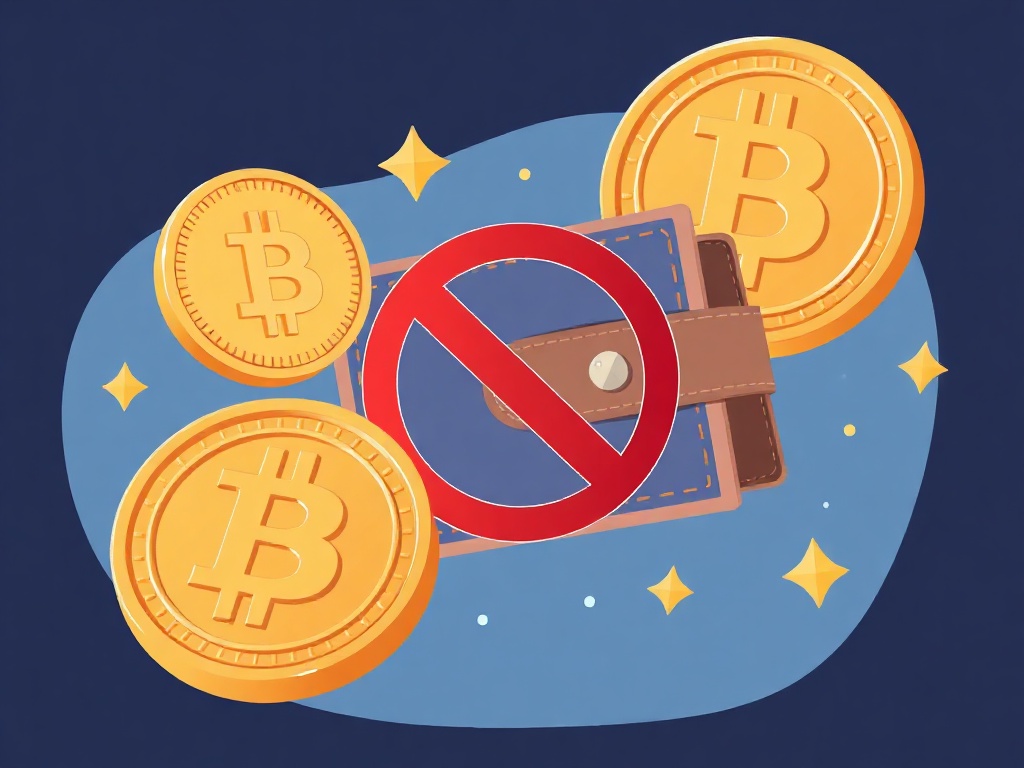
Crypto wallet blocking refers to the deliberate restriction or suspension of a cryptocurrency wallet by exchanges, blockchain networks, or third-party services. This can occur for various reasons, ranging from compliance issues to suspected illicit activity. In the context of BTCMixer, a service designed to enhance transaction privacy, crypto wallet blocking can disrupt the mixing process and delay fund recovery.
Common Reasons for Wallet Blocking
- Regulatory Compliance: Exchanges and mixing services must comply with anti-money laundering (AML) and know-your-customer (KYC) regulations. Wallets linked to suspicious activity may be flagged or blocked.
- Suspicious Transaction Patterns: Rapid or large transactions, especially involving mixers, can trigger automated fraud detection systems.
- Geographic Restrictions: Some services restrict access based on the user's location due to legal constraints.
- Wallet Reputation: Wallets previously associated with illicit activities may be blacklisted by exchanges or blockchain monitors.
- Service-Specific Policies: BTCMixer and similar platforms may block wallets that violate their terms of service, such as attempting to mix funds from known scams.
How Blocking Affects BTCMixer Users
For users relying on BTCMixer to obfuscate transaction trails, crypto wallet blocking can lead to:
- Delayed fund withdrawals or mixing completion.
- Loss of access to mixed funds if the wallet is permanently blacklisted.
- Increased scrutiny from exchanges when withdrawing mixed Bitcoin.
- Potential loss of privacy if transaction metadata is exposed during investigations.
Understanding these risks is the first step in mitigating them effectively.
The Role of BTCMixer in Crypto Wallet Blocking: Privacy vs. Compliance
BTCMixer operates in a delicate balance between privacy and regulatory compliance. While its core function is to enhance anonymity by mixing Bitcoin transactions, it must also adhere to global financial regulations. This dual role often leads to situations where crypto wallet blocking becomes a necessary safeguard.
How BTCMixer Works and Where Blocking Occurs
BTCMixer pools Bitcoin from multiple users and redistributes them in a way that severs the transaction trail. However, the mixing process involves several touchpoints where crypto wallet blocking can occur:
- Deposit Addresses: Users send Bitcoin to a BTCMixer deposit address. If this address is flagged (e.g., due to past association with illicit activity), the transaction may be blocked by the sending wallet or exchange.
- Mixing Pools: The service redistributes funds to new addresses. If these addresses are monitored or blacklisted, the outgoing transactions may be flagged.
- Withdrawal Addresses: Users receive mixed Bitcoin at a new address. If this address is linked to suspicious activity, exchanges may block deposits or freeze funds.
Compliance Measures Implemented by BTCMixer
To minimize crypto wallet blocking, BTCMixer employs several compliance strategies:
- Address Screening: Incoming and outgoing addresses are scanned against blockchain surveillance tools like Chainalysis or TRM Labs to avoid known illicit addresses.
- Rate Limiting: To prevent triggering fraud detection, BTCMixer may limit the number of transactions processed per wallet or IP address.
- User Verification: Some high-value or frequent transactions may require additional verification to ensure compliance.
- Geofencing: Access to the service may be restricted in jurisdictions with strict crypto regulations.
While these measures help reduce the risk of crypto wallet blocking, they also introduce friction for users seeking full anonymity.
The Ethical Dilemma: Privacy vs. Regulation
The tension between privacy and compliance is at the heart of crypto wallet blocking. On one hand, users value anonymity and the right to financial privacy. On the other, regulators demand transparency to combat crime. BTCMixer and similar services walk a fine line, often implementing "privacy by design" features while still cooperating with authorities when necessary.
This balance means that crypto wallet blocking is sometimes unavoidable—but users can take steps to minimize its impact.
How to Identify If Your Crypto Wallet Is Blocked
Detecting crypto wallet blocking early can save you time, money, and stress. The signs vary depending on whether the blocking occurs at the exchange, blockchain, or mixing service level. Here’s how to recognize it:
Signs of Wallet Blocking at Exchanges
If you're using an exchange to send or receive Bitcoin related to BTCMixer, watch for these red flags:
- Transaction Stuck in "Pending" Status: The transaction may remain unconfirmed for an unusually long time, even with sufficient fees.
- Withdrawal Rejected: The exchange may send a notification stating that your withdrawal has been blocked due to compliance reasons.
- Account Restrictions: Your account may be temporarily or permanently restricted from making withdrawals or deposits.
- Enhanced Verification Requests: The exchange may ask for additional ID verification or source-of-funds documentation.
- Email Notifications: Some exchanges send alerts when a wallet or transaction is flagged.
Signs of Blocking Within BTCMixer
If you're using BTCMixer and suspect crypto wallet blocking, check for these indicators:
- Deposit Not Credited: Funds sent to the BTCMixer deposit address do not appear in your mixing dashboard.
- Mixing Process Stalled: The mixing status remains "in progress" for an extended period without completion.
- Withdrawal Address Rejected: The platform may refuse to process withdrawals to certain addresses.
- Error Messages: Messages like "Address blacklisted" or "Transaction flagged" may appear.
- Support Tickets Ignored: If you contact support and receive no response, your wallet or transaction may be under review.
Blockchain-Level Blocking
In rare cases, crypto wallet blocking may occur at the blockchain level due to:
- Wallet Blacklisting: Some blockchain nodes or miners may refuse to process transactions from certain addresses.
- Smart Contract Restrictions: If using a decentralized mixer, smart contract logic may block interactions with flagged wallets.
- Exchange Deposit Freezes: Major exchanges like Binance or Coinbase may freeze deposits from mixing services.
To diagnose blockchain-level issues, use blockchain explorers like Blockstream.info or Mempool.space to check transaction status and address reputation.
Tools to Check for Wallet Blocking
Several tools can help you assess whether your wallet is blocked:
- Blockchain Explorers: Enter your wallet address to check for flags or blacklists.
- Wallet Reputation Services: Platforms like WalletExplorer or BitcoinAbuse track address associations.
- Exchange Compliance Tools: Some exchanges provide transparency reports or allow you to check address status before sending funds.
- BTCMixer Status Page: Check if the service is experiencing downtime or known issues.
If you suspect crypto wallet blocking, act quickly to gather evidence and contact support.
Steps to Take When Your Crypto Wallet Is Blocked
Discovering that your wallet is blocked can be alarming, but taking the right steps can help resolve the issue. Whether the blocking occurs at an exchange, in BTCMixer, or on the blockchain, follow this structured approach:
Immediate Actions to Resolve Blocking
- Stop Further Transactions: Avoid sending more funds to or from the blocked wallet to prevent escalating the issue.
- Document Everything: Take screenshots of error messages, transaction IDs, and timestamps. This evidence will be crucial when contacting support.
- Check for Notifications: Review emails, app notifications, or exchange dashboards for official explanations or requests for action.
- Verify Address Reputation: Use blockchain explorers to confirm whether your address is flagged by known surveillance tools.
- Contact Support Immediately: If using BTCMixer or an exchange, submit a support ticket with all relevant details.
How to Contact BTCMixer Support Effectively
When reaching out to BTCMixer support regarding crypto wallet blocking, be clear and concise. Include:
- Your deposit and withdrawal addresses.
- Transaction IDs for all related transfers.
- Screenshots of any error messages or blocking notifications.
- A detailed timeline of events (e.g., when you sent funds, when mixing started, when blocking occurred).
- Any previous interactions with exchanges or other services that may have flagged your wallet.
Support teams are more likely to assist if you provide structured, factual information rather than emotional appeals.
Escalating the Issue: From Support to Appeals
If initial support responses are unsatisfactory:
- Request a Supervisor Review: Ask to speak with a higher-level representative who may have more authority to resolve the issue.
- Provide Additional Documentation: Submit government-issued ID, proof of funds, or transaction source documentation if requested.
- Leverage Community Forums: Platforms like Reddit or BitcoinTalk often have threads where users discuss BTCMixer issues. Sharing your case may attract collective attention.
- Consult Legal or Compliance Experts: In extreme cases, consulting a crypto-savvy lawyer may help navigate regulatory disputes.
Alternative Solutions If Blocking Persists
If crypto wallet blocking cannot be resolved through support:
- Use a Different Mixing Service: Consider alternative mixers like Wasabi Wallet, Samourai Wallet, or ChipMixer (where available).
- Change Wallets: Create a new wallet and transfer funds from a different source to avoid association with the blocked address.
- Use CoinJoin via Privacy Wallets: Wallets like Wasabi or Samourai offer built-in CoinJoin features that may be less likely to trigger blocking.
- Wait and Retry Later: Some blocks are temporary. Reattempt transactions after a cooling-off period.
While frustrating, persistence and adaptability are key when dealing with crypto wallet blocking.
Preventing Crypto Wallet Blocking: Best Practices for BTCMixer Users
Prevention is the best strategy when it comes to crypto wallet blocking. By adopting proactive measures, you can minimize the risk of disruptions and ensure smooth transactions within the BTCMixer ecosystem.
Choose the Right Wallet for Mixing
Not all wallets are created equal when it comes to privacy and compatibility with BTCMixer. Follow these guidelines:
- Use Non-Custodial Wallets: Avoid exchanges for mixing. Use hardware wallets (Ledger, Trezor) or software wallets (Electrum, Wasabi).
- Check Wallet Reputation: Use wallets with a clean history. Avoid wallets previously linked to hacks or illicit activity.
- Enable SegWit and Taproot: These Bitcoin address formats reduce transaction size and fees, making them less suspicious.
- Avoid Reusing Addresses: Always generate a new address for each transaction to prevent linking your identity to multiple transactions.
Optimize Transaction Patterns
How you send Bitcoin to BTCMixer can influence the likelihood of crypto wallet blocking:
- Gradual Deposits: Instead of sending a large sum at once, break it into smaller transactions over time.
- Avoid Round Numbers: Sending exactly 0.1 BTC or 1 BTC may trigger fraud detection. Use irregular amounts like 0.123456 BTC.
- Space Out Transactions: Wait several hours or days between sending funds to BTCMixer to avoid pattern detection.
- Use Different IP Addresses: If possible, avoid sending transactions from the same IP repeatedly.
Enhance Privacy Before and After Mixing
Privacy doesn't end with mixing. Protect your identity throughout the process:
- Use a VPN or Tor: Mask your IP address when accessing BTCMixer or related services.
- Disable Tracking: Clear browser cookies and use privacy-focused browsers like Brave or Firefox with privacy extensions.
- Avoid Public Wi-Fi: Public networks can expose your activity to third parties.
- Use CoinJoin Before Mixing: Services like Wasabi Wallet offer CoinJoin, which can further obfuscate your transaction trail before using BTCMixer.
Monitor Address Reputation Proactively
Regularly check if your wallet addresses are flagged:
- Use Blockchain Surveillance Tools: Tools like Chainalysis or TRM Labs offer address screening (note: some require institutional access).
- Check Public Blacklists: Websites like BitcoinAbuse allow public reporting of abusive addresses.
- Set Up Alerts: Use services like Blockonomics to receive notifications if your address is flagged.
Stay Informed About Regulatory Changes
Regulations around cryptocurrency and mixing services are evolving. Stay updated to avoid unintentional violations:
- Follow Crypto News: Subscribe to outlets like CoinDesk, Bitcoin Magazine, or local regulatory updates.
- Join Privacy-Focused Communities: Forums like BitcoinTalk or r/BitcoinPriv
 Emily ParkerCrypto Investment Advisor
The Rising Concern of Crypto Wallet Blocking: What Investors Need to Know
As a certified financial analyst with over a decade of experience in cryptocurrency investment strategies, I’ve seen firsthand how the digital asset landscape evolves at a breakneck pace. One of the most pressing issues facing investors today is the growing phenomenon of crypto wallet blocking. This occurs when users lose access to their funds due to regulatory actions, exchange policies, or technical glitches. Whether it’s a government freeze, a platform’s compliance crackdown, or a simple mistake like losing private keys, the consequences can be devastating. Investors must recognize that while blockchain technology offers decentralization, it also introduces risks that traditional financial systems often mitigate through safeguards like FDIC insurance or customer support.
From a practical standpoint, the key to mitigating crypto wallet blocking lies in proactive risk management. Diversification is critical—never store all your assets in a single wallet or exchange. Instead, use a mix of hot wallets (for liquidity) and cold storage (for long-term holdings) while ensuring you have secure backups of private keys and recovery phrases. Additionally, stay informed about regulatory developments in your jurisdiction, as some regions impose stricter controls on crypto transactions. For institutional investors, working with compliant custodians and conducting regular audits can provide an extra layer of protection. The reality is that while crypto offers unparalleled financial freedom, it demands a higher degree of personal accountability than traditional assets.