Understanding Power Analysis Attacks in Bitcoin Mixers: Risks, Mitigations, and Best Practices
Understanding Power Analysis Attacks in Bitcoin Mixers: Risks, Mitigations, and Best Practices
In the evolving landscape of cryptocurrency privacy, Bitcoin mixers—also known as tumblers—play a crucial role in enhancing anonymity by obscuring transaction trails. However, the effectiveness of these tools can be undermined by sophisticated attacks, among which power analysis attacks pose a significant threat. These attacks exploit physical side channels to extract sensitive information from cryptographic devices, potentially compromising the privacy of users relying on Bitcoin mixers. This comprehensive guide explores the mechanics of power analysis attacks, their implications for Bitcoin mixers, and the strategies to mitigate such risks.
---What Is a Power Analysis Attack?
A power analysis attack is a type of side-channel attack that analyzes the power consumption patterns of a computing device—such as a hardware wallet, ASIC miner, or even a Bitcoin mixer’s backend server—to infer confidential data. Unlike traditional cryptographic attacks that target software vulnerabilities, power analysis attacks exploit the physical implementation of cryptographic operations.
These attacks are particularly effective because power consumption is directly correlated with the computational workload. For instance, when a device performs a cryptographic operation like encryption or hashing, the power draw fluctuates based on the data being processed. By monitoring these fluctuations, an attacker can deduce secret keys, transaction details, or even the internal state of a Bitcoin mixer.
Types of Power Analysis Attacks
There are two primary categories of power analysis attacks:
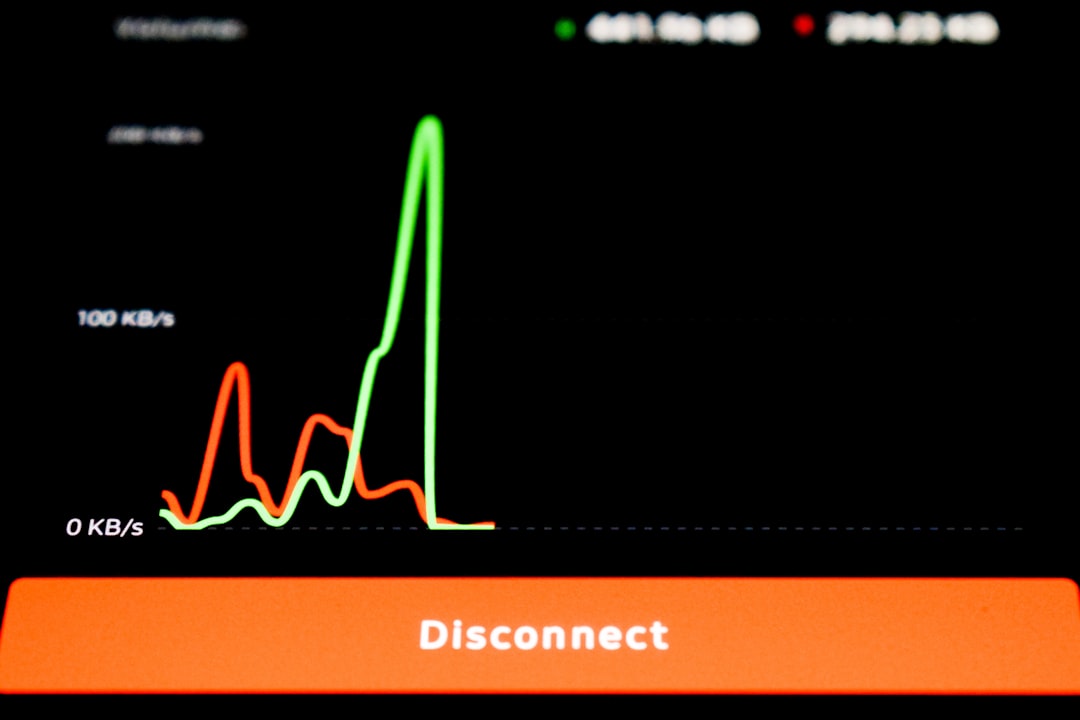
- Simple Power Analysis (SPA): This involves visually inspecting power consumption traces to identify distinct patterns corresponding to specific operations. For example, a sudden spike in power might indicate the execution of a cryptographic function. SPA is relatively straightforward but requires high-resolution monitoring equipment.
- Differential Power Analysis (DPA): A more advanced technique, DPA statistically analyzes multiple power traces to isolate correlations between power consumption and secret data. By comparing traces from known inputs with those from unknown inputs, attackers can extract cryptographic keys with high precision. DPA is particularly dangerous because it can succeed even when SPA fails due to noise or low-resolution data.
Both SPA and DPA have been successfully demonstrated against a wide range of cryptographic devices, including those used in Bitcoin mixers. The implications for privacy-focused services are profound, as an attacker could potentially trace the flow of funds through a mixer by analyzing power consumption patterns.
---The Role of Bitcoin Mixers and Their Vulnerabilities
Bitcoin mixers, or tumblers, are services designed to enhance the privacy of Bitcoin transactions by breaking the link between the sender and receiver addresses. They achieve this by pooling funds from multiple users and redistributing them in a way that obfuscates the original transaction trail. While this process is effective in theory, the practical implementation of Bitcoin mixers can introduce vulnerabilities that are exploitable via power analysis attacks.
How Bitcoin Mixers Work
Most Bitcoin mixers operate through a multi-step process:
- Deposit: Users send their Bitcoins to the mixer’s address, often with a unique identifier or "mixing code" to ensure they receive the correct amount later.
- Pooling: The mixer accumulates funds from multiple users, creating a large pool of Bitcoins.
- Shuffling: The mixer redistributes the funds to the intended recipients, typically in smaller amounts and through different addresses to break the transaction chain.
- Withdrawal: Users receive their mixed Bitcoins, ideally from a different address than the one they used to deposit.
While this process enhances privacy, it also relies on cryptographic operations—such as hashing, encryption, and digital signatures—to manage user funds and generate mixing codes. These operations are performed by backend servers or specialized hardware, both of which are susceptible to power analysis attacks.
Potential Attack Vectors in Bitcoin Mixers
Several components of a Bitcoin mixer can be targeted by power analysis attacks:
- Backend Servers: The servers that manage the mixing process often perform cryptographic operations to generate addresses, sign transactions, and handle user data. If these servers are compromised or monitored, attackers can analyze their power consumption to extract sensitive information, such as private keys or mixing codes.
- Hardware Wallets: Some users interact with Bitcoin mixers using hardware wallets, which are designed to securely store private keys. However, hardware wallets are also vulnerable to power analysis attacks, especially if they are connected to a compromised device or network.
- Mixing Algorithms: The algorithms used by Bitcoin mixers to shuffle funds may involve complex cryptographic operations. If these operations are not properly secured, attackers can exploit power consumption patterns to reverse-engineer the mixing process and trace transactions.
For example, if an attacker can monitor the power consumption of a Bitcoin mixer’s server during the shuffling phase, they might be able to identify which inputs correspond to which outputs, thereby undermining the mixer’s privacy guarantees.
---Real-World Implications of Power Analysis Attacks on Bitcoin Mixers
The theoretical risks of power analysis attacks are well-documented, but their real-world implications for Bitcoin mixers are equally concerning. Several high-profile incidents and research studies have demonstrated the feasibility of these attacks, highlighting the need for robust security measures in privacy-focused services.
Case Studies and Research Findings
In 2018, a team of researchers from the University of Michigan published a study demonstrating how power analysis attacks could be used to extract private keys from hardware wallets. The researchers analyzed the power consumption of popular hardware wallets during cryptographic operations and successfully recovered secret keys with high accuracy. While this study focused on hardware wallets rather than Bitcoin mixers, the principles are directly applicable to the backend systems of mixers that perform similar operations.
Another notable example is the work of researchers at the University of Cambridge, who explored the vulnerabilities of Bitcoin mixing services to side-channel attacks. Their findings revealed that many mixers did not implement adequate protections against power analysis, leaving them susceptible to attacks that could deanonymize users. For instance, if an attacker can monitor the power consumption of a mixer’s server during the deposit phase, they might be able to link a user’s deposit address to their withdrawal address, effectively breaking the privacy guarantees of the mixer.
Impact on User Privacy
The primary concern with power analysis attacks in the context of Bitcoin mixers is their potential to compromise user privacy. Bitcoin mixers are designed to provide a layer of anonymity by obscuring the transaction trail, but if an attacker can exploit power consumption patterns to trace transactions, the mixer’s effectiveness is severely diminished. This could have several consequences:
- Loss of Anonymity: Users who rely on Bitcoin mixers to protect their financial privacy could have their transaction histories exposed, making them vulnerable to surveillance, censorship, or targeted attacks.
- Increased Risk of Theft: If an attacker can extract private keys or mixing codes via power analysis attacks, they could steal funds directly from users’ wallets or mixer accounts.
- Regulatory Scrutiny: Bitcoin mixers that are compromised by power analysis attacks may face increased regulatory scrutiny, as authorities could argue that the service is no longer effective at providing anonymity.
These implications underscore the importance of addressing power analysis attacks in the design and implementation of Bitcoin mixers.
---Mitigating Power Analysis Attacks in Bitcoin Mixers
While power analysis attacks pose a significant threat to Bitcoin mixers, there are several strategies that developers and users can employ to mitigate these risks. These strategies range from hardware-level protections to software-based countermeasures, each designed to reduce the effectiveness of side-channel attacks.
Hardware-Level Protections
One of the most effective ways to prevent power analysis attacks is to implement hardware-level protections in the devices that power Bitcoin mixers. These protections include:
- Constant Power Consumption: Devices can be designed to maintain a constant power draw, regardless of the operations being performed. This is achieved through techniques such as power balancing, where additional dummy operations are executed to mask the power consumption of cryptographic functions.
- Shielding and Isolation: Physical shielding, such as Faraday cages, can be used to block electromagnetic interference and prevent attackers from monitoring power consumption. Additionally, isolating cryptographic operations from other system components can reduce the risk of side-channel leaks.
- Secure Enclaves: Modern processors, such as Intel’s SGX or ARM’s TrustZone, provide secure enclaves that isolate sensitive operations from the rest of the system. By performing cryptographic operations within these enclaves, Bitcoin mixers can reduce the risk of power analysis attacks.
For example, a Bitcoin mixer that uses a secure enclave to manage user funds and generate mixing codes would be far less susceptible to power analysis attacks, as the cryptographic operations would be isolated from the rest of the system.
Software-Level Countermeasures
In addition to hardware-level protections, there are several software-based techniques that can be used to mitigate power analysis attacks in Bitcoin mixers:
- Constant-Time Algorithms: Cryptographic algorithms can be implemented in a way that ensures their execution time is independent of the input data. This prevents attackers from inferring secret information based on timing differences, which are often correlated with power consumption.
- Randomized Execution: By introducing randomness into the execution of cryptographic operations, Bitcoin mixers can make it more difficult for attackers to correlate power consumption patterns with specific inputs. For example, random delays or dummy operations can be added to mask the true power consumption of the system.
- Secure Coding Practices: Developers should follow secure coding practices to minimize the risk of side-channel leaks. This includes avoiding conditional branches that depend on secret data, using constant-time comparisons, and ensuring that cryptographic operations are implemented correctly.
For instance, a Bitcoin mixer that uses a constant-time implementation of its mixing algorithm would be far less susceptible to power analysis attacks, as the power consumption patterns would not reveal any information about the secret data being processed.
Best Practices for Users
While developers and service providers play a critical role in mitigating power analysis attacks, users can also take steps to protect their privacy when using Bitcoin mixers:
- Use Reputable Mixers: Users should choose Bitcoin mixers with a proven track record of security and privacy. Reputable mixers often implement advanced protections against side-channel attacks and are transparent about their security practices.
- Enable Additional Privacy Features: Some Bitcoin mixers offer additional privacy features, such as multi-signature withdrawals or delayed payouts. These features can further obscure the transaction trail and reduce the risk of power analysis attacks.
- Monitor for Suspicious Activity: Users should monitor their mixer accounts for any signs of suspicious activity, such as unauthorized withdrawals or unexpected changes to their mixing codes. If such activity is detected, users should immediately report it to the mixer’s support team.
- Use Hardware Wallets: Hardware wallets can provide an additional layer of security when interacting with Bitcoin mixers. By using a hardware wallet to manage funds, users can reduce the risk of power analysis attacks targeting their personal devices.
By following these best practices, users can enhance their privacy and reduce the risk of falling victim to power analysis attacks when using Bitcoin mixers.
---Future Trends and the Evolution of Power Analysis Attacks
The field of side-channel attacks, including power analysis attacks, is constantly evolving, driven by advances in technology and the increasing sophistication of attackers. As Bitcoin mixers and other privacy-focused services continue to develop, it is essential to stay ahead of these trends and anticipate future threats.
Emerging Threats in Side-Channel Attacks
Several emerging trends in side-channel attacks could pose new challenges for Bitcoin mixers:
- Machine Learning-Assisted Attacks: Attackers are increasingly using machine learning techniques to analyze power consumption traces and extract sensitive information. By training models on large datasets of power traces, attackers can improve the accuracy and efficiency of power analysis attacks.
- Quantum Computing: While still in its early stages, quantum computing has the potential to revolutionize side-channel attacks. Quantum computers could be used to perform highly parallel analyses of power consumption traces, enabling attackers to extract cryptographic keys with unprecedented speed and accuracy.
- IoT and Edge Devices: The proliferation of IoT and edge devices in the cryptocurrency ecosystem introduces new attack vectors for power analysis attacks. Devices such as Bitcoin ATMs, point-of-sale systems, and even mobile wallets may be vulnerable to side-channel attacks if not properly secured.
These trends highlight the need for continuous innovation in the security of Bitcoin mixers and other privacy-focused services.
The Role of Open-Source Development
Open-source development plays a critical role in addressing the challenges posed by power analysis attacks. By making the source code of Bitcoin mixers publicly available, developers can:
- Identify and Fix Vulnerabilities: Open-source projects benefit from the collective expertise of the global developer community, which can help identify and fix vulnerabilities that could be exploited by power analysis attacks.
- Promote Transparency: Transparency is essential for building trust in Bitcoin mixers. By making their source code and security practices publicly available, developers can demonstrate their commitment to privacy and security.
- Encourage Collaboration: Open-source development fosters collaboration among developers, researchers, and users, enabling the rapid development of new security techniques and countermeasures against power analysis attacks.
For example, projects like Wasabi Wallet and Samourai Wallet have embraced open-source development to enhance the security and privacy of their mixing services. By leveraging the collective expertise of the community, these projects have implemented advanced protections against side-channel attacks.
Regulatory and Ethical Considerations
As power analysis attacks become more sophisticated, regulators and policymakers are increasingly focused on the ethical and legal implications of these attacks. For instance:
- Privacy vs. Security: Regulators must balance the need for privacy with the potential for misuse. While Bitcoin mixers are designed to enhance privacy, they can also be used for illicit activities such as money laundering or terrorism financing. The challenge is to regulate these services without compromising their core functionality.
- Responsible Disclosure: Researchers and developers who discover vulnerabilities in Bitcoin mixers must follow responsible disclosure practices to ensure that fixes are implemented before attackers can exploit them. This includes working with the mixer’s development team to patch vulnerabilities and notifying users of potential risks.
- International Cooperation: Side-channel attacks, including power analysis attacks, are a global threat that requires international cooperation to address. Governments, law enforcement agencies, and private companies must work together to develop standards and best practices for securing cryptographic devices.
These considerations underscore the importance of a collaborative and proactive approach to addressing the challenges posed by power analysis attacks in the Bitcoin mixer ecosystem.
---Conclusion: Safeguarding Privacy in the Face of Power Analysis Attacks
Power analysis attacks represent a formidable challenge to the privacy and security of Bitcoin mixers. By exploiting physical side channels, these attacks can undermine the anonymity guarantees of mixing services, exposing users to surveillance, theft, and regulatory scrutiny. However, with the right combination of hardware-level protections, software-based countermeasures, and user best practices, it is possible to mitigate these risks and preserve the privacy of Bitcoin transactions.
For developers and service providers, the key to defending against power analysis attacks lies in adopting a proactive and multi-layered approach to security. This includes implementing constant-time algorithms, using secure enclaves, and following best practices for secure coding. For users, the focus should be on choosing reputable mixers, enabling additional privacy features, and monitoring for suspicious activity.
As the cryptocurrency ecosystem continues to evolve, so too will the tactics of attackers. By staying informed about emerging threats and collaborating on open-source solutions, the Bitcoin community can stay one step ahead of power analysis attacks and ensure that privacy remains a cornerstone of the digital economy.
In the end, the fight against power analysis attacks is not just about protecting funds—it’s about preserving the fundamental right to financial privacy in an increasingly interconnected world.

Power Analysis Attack: A Critical Threat to Web3 Security and DeFi Protocols
As a DeFi and Web3 analyst, I’ve observed that while cryptographic innovations like zero-knowledge proofs and multi-party computation dominate security discussions, power analysis attacks remain an underappreciated yet devastating vector for compromising blockchain infrastructure. These attacks exploit physical side-channel information—specifically, variations in power consumption during cryptographic operations—to infer private keys or sensitive data. In the context of Web3, where hardware wallets, validators, and smart contract execution environments often rely on secure enclaves or embedded systems, power analysis attacks can bypass even well-audited cryptographic implementations. For instance, a malicious actor with physical access to a validator node could deploy a low-cost oscilloscope to measure power fluctuations during signature generation, potentially reconstructing the node’s private key over time. This isn’t theoretical; similar attacks have been demonstrated against Bitcoin hardware wallets, proving that the threat is both real and actionable.
From a practical standpoint, mitigating power analysis attacks requires a multi-layered approach that blends hardware design, protocol-level safeguards, and operational best practices. Developers should prioritize constant-time algorithms and side-channel-resistant cryptographic libraries, such as those implementing masking or shuffling techniques to obscure power signatures. For DeFi protocols, the integration of hardware security modules (HSMs) or trusted execution environments (TEEs) can provide an additional layer of protection, though these solutions must be rigorously tested against physical tampering. Equally critical is the need for rigorous auditing of hardware wallet firmware and validator client implementations, as even minor deviations in power consumption profiles can expose vulnerabilities. Ultimately, the Web3 ecosystem must shift from a purely software-centric security model to one that accounts for the physical realities of deployment—because in a decentralized world, the weakest link isn’t always the code, but the hardware executing it.