Understanding Private USDT Swap: A Comprehensive Guide for Secure Crypto Transactions
Understanding Private USDT Swap: A Comprehensive Guide for Secure Crypto Transactions
In the rapidly evolving world of cryptocurrency, privacy and security remain paramount concerns for traders and investors. One of the most innovative solutions gaining traction is the private USDT swap, a method that allows users to exchange Tether (USDT) without compromising their financial privacy. This guide explores the intricacies of private USDT swaps, their benefits, how they work, and why they are becoming an essential tool for crypto enthusiasts.
As regulatory scrutiny intensifies and blockchain transparency increases, the demand for discreet financial transactions has never been higher. A private USDT swap offers a way to maintain anonymity while still participating in the vibrant USDT trading ecosystem. Whether you're a seasoned trader or a newcomer to the crypto space, understanding this process can significantly enhance your transactional security.
What Is a Private USDT Swap and Why Does It Matter?
The Basics of USDT and Its Role in Crypto Trading
Tether (USDT) is a stablecoin pegged to the US dollar, designed to provide stability in the often-volatile cryptocurrency market. It is one of the most widely used digital assets, facilitating seamless trading across various exchanges. However, despite its utility, USDT transactions are recorded on the blockchain, which means they are publicly visible. This transparency, while beneficial for audit purposes, can expose users to privacy risks.
A private USDT swap addresses this concern by allowing users to exchange USDT for other cryptocurrencies or assets without leaving a traceable transaction history. This is particularly valuable for individuals who prioritize financial privacy or operate in regions with strict financial regulations.
Key Differences Between Regular and Private USDT Swaps
In a traditional USDT swap, transactions are recorded on the blockchain, making them visible to anyone with access to the ledger. This can include exchanges, regulators, or even malicious actors attempting to track financial activity. In contrast, a private USDT swap leverages advanced techniques such as:
- Coin mixing: Combining multiple transactions to obscure the origin and destination of funds.
- Stealth addresses: Generating unique, one-time addresses for each transaction to prevent tracing.
- Atomic swaps: Facilitating peer-to-peer exchanges without intermediaries, reducing exposure to third-party tracking.
- Privacy-focused wallets: Using wallets that support enhanced privacy features, such as CoinJoin or Wasabi Wallet integrations.
These methods ensure that users can conduct private USDT swaps without revealing their financial activities to unauthorized parties.
The Importance of Privacy in Cryptocurrency Transactions
Privacy is a fundamental aspect of financial freedom, and cryptocurrency was originally designed to provide this. However, as blockchain technology has advanced, so too have the tools for tracking transactions. Governments and corporations increasingly monitor crypto activities, making privacy-enhancing solutions like private USDT swaps more relevant than ever.
For traders, privacy can prevent:
- Targeted phishing attacks based on transaction history.
- Unwanted scrutiny from financial institutions or tax authorities.
- Loss of competitive advantage in trading strategies.
- Exposure to hacking risks by revealing wallet balances.
A private USDT swap mitigates these risks by ensuring that transaction details remain confidential, aligning with the original ethos of decentralized finance (DeFi).
How Does a Private USDT Swap Work? A Step-by-Step Breakdown
Step 1: Choosing the Right Platform or Service
Not all platforms support private USDT swaps, so selecting a reputable service is crucial. Look for providers that:
- Have a proven track record in privacy-focused transactions.
- Support multiple cryptocurrencies for swapping, not just USDT.
- Offer user-friendly interfaces and clear privacy policies.
- Are non-custodial, meaning they don’t hold your funds during the swap.
Popular options include decentralized exchanges (DEXs) like Bisq or Haveno, as well as privacy-focused services like BTCmixer, which specializes in secure and anonymous crypto transactions.
Step 2: Initiating the Swap Process
Once you’ve selected a platform, the process typically involves the following steps:
- Deposit USDT: Transfer your USDT to the platform’s designated address. Ensure you’re using a privacy-focused wallet to avoid linking your identity to the transaction.
- Specify the Recipient Asset: Choose the cryptocurrency you wish to receive in exchange for your USDT. Common options include Bitcoin (BTC), Monero (XMR), or Ethereum (ETH).
- Set Privacy Parameters: Some platforms allow you to customize the level of privacy, such as the number of mixing rounds or the use of stealth addresses.
- Confirm and Execute: Review the transaction details and confirm the swap. The platform will then process the private USDT swap using its privacy-enhancing protocols.
Step 3: Receiving the Swapped Funds Anonymously
After the swap is complete, the funds will be sent to your specified wallet address. To maintain privacy:
- Use a fresh wallet address for each transaction to avoid address reuse.
- Avoid linking your wallet to personal identifiers, such as email addresses or social media profiles.
- Consider using a privacy coin like Monero (XMR) as the recipient asset, as it offers built-in anonymity features.
By following these steps, you can successfully execute a private USDT swap while minimizing the risk of exposure.
Common Challenges and How to Overcome Them
While private USDT swaps offer significant advantages, they are not without challenges. Some common issues include:
- Transaction Fees: Privacy-enhancing services may charge higher fees due to the additional computational resources required. Compare fees across platforms to find a balance between cost and privacy.
- Liquidity Issues: Not all privacy-focused platforms have high liquidity, which can result in slower transaction times or unfavorable exchange rates. Stick to well-established services to mitigate this risk.
- Regulatory Risks: Some jurisdictions may scrutinize privacy-focused transactions. Always comply with local laws and use services that prioritize legal compliance.
- Technical Complexity: For beginners, the process of executing a private USDT swap can be daunting. Start with smaller transactions to familiarize yourself with the process before committing larger amounts.
By being aware of these challenges and planning accordingly, you can navigate the world of private USDT swaps more effectively.
Benefits of Using a Private USDT Swap for Your Transactions
Enhanced Financial Privacy
The primary benefit of a private USDT swap is the ability to conduct transactions without revealing your financial activities. This is particularly important for individuals who:
- Live in countries with strict capital controls or financial surveillance.
- Wish to protect their trading strategies from competitors.
- Are concerned about identity theft or fraud based on transaction history.
By obscuring the flow of funds, a private USDT swap ensures that your financial decisions remain your own business.
Protection Against Blockchain Analysis
Blockchain analysis tools, such as Chainalysis or CipherTrace, are increasingly used by governments and corporations to track crypto transactions. These tools can link wallet addresses to real-world identities, compromising user privacy. A private USDT swap disrupts this analysis by:
- Breaking the link between the sender and receiver addresses.
- Introducing noise into the transaction graph, making it harder to trace funds.
- Using obfuscation techniques to mask the origin and destination of funds.
This makes it significantly more difficult for third parties to monitor or interfere with your transactions.
Reduced Risk of Targeted Attacks
Publicly visible transactions can expose users to various risks, including:
- Phishing attacks: Hackers may target users based on their transaction history, impersonating exchanges or wallet providers.
- Extortion: In some cases, criminals may demand payments based on visible wallet balances or transaction patterns.
- Social engineering: Detailed transaction histories can be used to manipulate or deceive individuals into revealing sensitive information.
A private USDT swap minimizes these risks by ensuring that your financial activities remain confidential, reducing the likelihood of targeted attacks.
Flexibility in Asset Selection
Unlike traditional exchanges, which may have limited privacy options, a private USDT swap allows you to exchange USDT for a wide range of cryptocurrencies. This flexibility enables you to:
- Diversify your portfolio while maintaining privacy.
- Access privacy-focused coins like Monero (XMR) or Zcash (ZEC).
- Take advantage of arbitrage opportunities without revealing your strategies.
This versatility makes private USDT swaps a valuable tool for both casual traders and professional investors.
Compliance with Personal or Ethical Standards
For some users, privacy is not just a preference but a necessity. Whether due to personal beliefs, professional requirements, or ethical considerations, a private USDT swap provides a way to align your financial activities with your values. This is particularly relevant for:
- Journalists or activists operating in repressive regimes.
- Businesses that need to protect proprietary financial information.
- Individuals who prioritize financial sovereignty and autonomy.
By using a private USDT swap, you can ensure that your transactions reflect your principles without compromising on security or convenience.
Top Platforms and Services for Private USDT Swaps
Decentralized Exchanges (DEXs) with Privacy Features
Decentralized exchanges are a popular choice for conducting private USDT swaps because they eliminate the need for intermediaries, reducing the risk of tracking or censorship. Some top DEXs include:
- Bisq: A peer-to-peer exchange that supports USDT swaps with optional privacy features like Tor integration and stealth addresses.
- Haveno: A Monero-focused DEX that allows for private swaps between USDT and XMR.
- SwapSpace: A multi-currency exchange that offers privacy-focused swaps with minimal KYC requirements.
These platforms are ideal for users who prioritize decentralization and privacy in their transactions.
Privacy-Focused Mixing Services
Mixing services, also known as tumblers, are designed to obscure the origin of funds by combining them with those of other users. Some notable mixing services that support USDT include:
- BTCmixer: A well-established mixing service that supports USDT swaps with advanced privacy features, including multiple mixing rounds and custom delay options.
- ChipMixer: A Bitcoin-focused mixer that can be used in conjunction with USDT swaps for enhanced privacy.
- Wasabi Wallet: A privacy-focused Bitcoin wallet that supports CoinJoin, a technique that can be used to anonymize USDT transactions indirectly.
These services are particularly useful for users who need to break the traceability of their USDT transactions.
Atomic Swap Platforms
Atomic swaps enable peer-to-peer exchanges without the need for a centralized intermediary, making them a secure and private option for private USDT swaps. Some platforms that support atomic swaps include:
- Komodo: A blockchain platform that facilitates cross-chain atomic swaps, including USDT.
- AtomicSwap: A decentralized exchange that supports atomic swaps for USDT and other cryptocurrencies.
- Rogue: A privacy-focused atomic swap platform that prioritizes user anonymity.
Atomic swaps are ideal for users who want to avoid the risks associated with centralized exchanges while maintaining privacy.
Privacy Coins and Their Role in USDT Swaps
Privacy coins like Monero (XMR) and Zcash (ZEC) are designed to provide anonymity for their users. By swapping USDT for a privacy coin, you can further enhance the privacy of your transactions. Some platforms that facilitate this include:
- LocalMonero: A peer-to-peer marketplace for buying and selling Monero, which can be used to indirectly swap USDT privately.
- ShapeShift: A non-custodial exchange that supports swaps between USDT and privacy coins like Zcash.
- Changelly: A cryptocurrency exchange that offers privacy-focused swaps with minimal KYC requirements.
Using privacy coins in conjunction with a private USDT swap can provide an additional layer of anonymity.
Evaluating the Best Option for Your Needs
When choosing a platform for your private USDT swap, consider the following factors:
- Privacy Level: Does the platform offer advanced privacy features like CoinJoin, stealth addresses, or multiple mixing rounds?
- Supported Assets: Can you swap USDT for the cryptocurrencies you need?
- Fees: Are the fees reasonable compared to the level of privacy provided?
- User Experience: Is the platform easy to use, especially for beginners?
- Reputation: Does the platform have a track record of reliability and security?
By carefully evaluating these factors, you can select the best platform for your private USDT swap needs.
Security Considerations for Private USDT Swaps
Choosing a Reputable and Secure Platform
The security of your private USDT swap depends largely on the platform you choose. To minimize risks, opt for services that:
- Have been audited by third-party security firms.
- Use open-source software, allowing for community scrutiny.
- Implement strong encryption for data storage and transmission.
- Have a transparent fee structure with no hidden costs.
Platforms like BTCmixer are known for their commitment to security and privacy, making them a reliable choice for users.
Protecting Your Wallet and Private Keys
Even with a secure platform, your wallet and private keys are potential vulnerabilities. To safeguard your assets:
- Use a hardware wallet, such as a Ledger or Trezor, to store your cryptocurrencies.
- Enable two-factor authentication (2FA) on all accounts related to your private USDT swap.
- Never share your private keys or seed phrases with anyone.
- Use a dedicated wallet for privacy-focused transactions to avoid linking your identity to other activities.
By taking these precautions, you can significantly reduce the risk of losing your funds or compromising your privacy.
Beware of Scams and Fraudulent Services
The cryptocurrency space is rife with scams, and private USDT swaps are no exception. To avoid falling victim to fraud:
- Research platforms thoroughly before using them. Look for reviews and testimonials from other users.
- Be wary of services that promise unrealistic returns or guaranteed anonymity. No service can guarantee 100% privacy.
- Use escrow services or multisig wallets for large transactions to ensure funds are only released when both parties are satisfied.
- Avoid platforms that require excessive personal information or KYC verification, as these may compromise your privacy.
Staying vigilant and skeptical of too-good-to-be-true offers can save you from costly mistakes.
Understanding the Risks of Mixing Services
While mixing services like BTCmixer offer enhanced privacy, they are not without risks. Some potential issues include:
- Regulatory Scrutiny: Mixing services are often targeted by regulators due to their potential use in money laund
 Robert HayesDeFi & Web3 Analyst
The Rise of Private USDT Swaps: A DeFi Analyst’s Perspective on Privacy-Preserving Stablecoin Transactions
As a DeFi and Web3 analyst with a focus on infrastructure and yield strategies, I’ve observed that the demand for privacy-preserving financial tools is accelerating—especially in cross-border transactions and institutional DeFi adoption. Private USDT swaps represent a critical evolution in this space, addressing the inherent transparency of blockchain transactions while maintaining the stability and liquidity of USDT. Unlike traditional on-chain swaps, which leave a public footprint, private USDT swaps leverage zero-knowledge proofs (ZKPs) or mixers to obfuscate transaction trails without sacrificing finality. This is particularly valuable for high-net-worth individuals, DAOs managing treasuries, or even retail users seeking to avoid front-running in volatile markets. The integration of privacy layers into stablecoin swaps isn’t just a niche experiment; it’s becoming a necessity as regulatory scrutiny intensifies and users prioritize financial sovereignty.
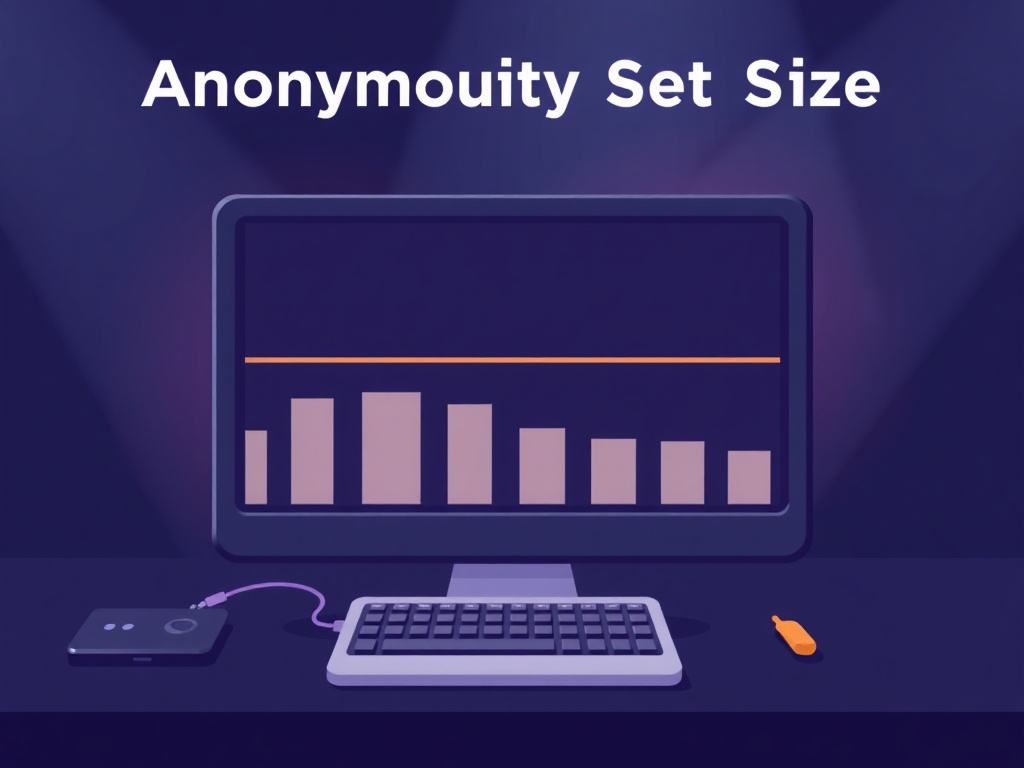
From a practical standpoint, the adoption of private USDT swaps hinges on three key factors: scalability, interoperability, and trust minimization. Protocols like Railgun, Aztec, or even newer entrants in the Cosmos ecosystem are pushing the boundaries by enabling shielded transfers of USDT across EVM and non-EVM chains. However, the trade-off between privacy and compliance remains a hurdle—will these solutions integrate with KYC/AML frameworks, or will they remain purely permissionless? For yield farmers and liquidity providers, private swaps could also mitigate MEV (Maximal Extractable Value) risks, as transaction privacy reduces the likelihood of sandwich attacks. Yet, the lack of standardized privacy solutions means users must carefully evaluate the trade-offs between anonymity sets, gas costs, and smart contract risks. As the space matures, I expect private USDT swaps to become a staple in DeFi’s toolkit, but only if they balance innovation with pragmatic usability.